
Bathroom Remodeling Upgrades That Add Comfort and Value

Bathroom Remodeling in Pittsburgh, PA
Quick Take: The best Bathroom Remodeling Upgrades focus on daily comfort while protecting your home’s value. In Pittsburgh, most bathroom remodels range from $15,000 to $35,000 or more and take about 3 to 6 weeks, depending on layout changes and material choices. Features like walk-in showers, better lighting, and heated floors tend to deliver the strongest return.
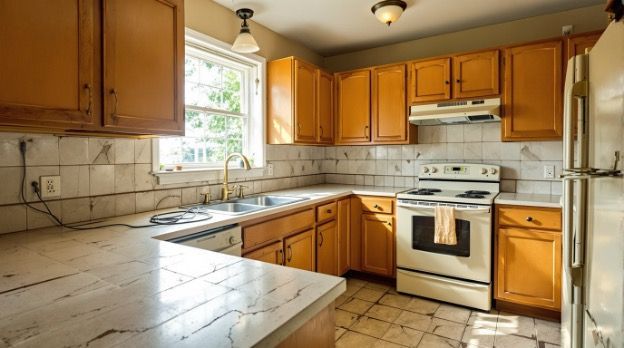
Many Pittsburgh homes built in the 1970s to 1990s still have bathrooms that feel tight, dark, or simply worn out. If you’ve been living with an outdated space for years, the goal isn’t just a nicer look. It’s a bathroom that works better every single day and still makes financial sense when it’s time to sell.
Below, you’ll find where to invest, where you can save, and which upgrades give you the best mix of comfort and value.
The Bathroom Upgrades Worth Investing In
Some parts of a remodel affect how the space performs for years. These are the areas where spending a little more usually pays off.
A larger walk-in shower is often the biggest improvement homeowners notice right away. It makes the room feel more open and works better for everyday use. Features like frameless glass, built-in niches, and a low or curbless entry add comfort now and make the space more appealing down the road.
Waterproofing is another place you don’t want to cut corners. You won’t see it once the tile goes in, but proper membranes and sealing protect your walls and floors from moisture problems later.
Ventilation matters just as much, especially in Pittsburgh where humidity swings throughout the year. A quiet, high-capacity exhaust fan helps prevent peeling paint, musty smells, and long-term damage.
And then there’s the vanity. A well-built cabinet with a durable quartz or stone top handles daily use far better than builder-grade options. If you’re planning a full bath remodeling project, these core upgrades give you the biggest long-term payoff.
Where You Can Save Without Sacrificing Quality
Here are a few places where you can scale back:
Not every decision needs to stretch your budget. In fact, some smart choices can lower costs without changing how the bathroom feels or functions.
- Keep plumbing where it is. Moving a toilet or shower adds labor, materials, and time.
- Choose mid-range fixtures. Many brands offer solid performance without the premium price tag.
- Use larger tiles. Bigger tiles mean fewer grout lines and lower installation costs.
- Mix high and low finishes. Spend on the vanity or shower, then keep mirrors, hardware, or accessories simple.
- Stick with semi-custom cabinetry. You still get good storage and quality without the cost of full custom work.
We see this all the time in Pittsburgh homes. Homeowners spend heavily on decorative upgrades but overlook practical things like ventilation or storage. A balanced approach usually gives you a better result for the money.
Walk-In Showers vs. Tub Conversions: What Adds More Value?
Walk-in showers are one of the most popular upgrades right now, especially in primary bathrooms. They make the space feel larger and are easier to use day to day.
In many homes, the existing tub barely gets used. Converting that space into a larger shower can completely change how the room functions. Adding a built-in bench, handheld showerhead, or low-threshold entry also makes the space more comfortable if you’re thinking long term.
That said, it’s still smart to keep at least one bathtub somewhere in the house. Families with young kids often look for that, and homes without any tub can be harder to sell.
A good rule of thumb is simple. Go with a spacious walk-in shower in the primary bath and keep a tub in a secondary bathroom if you have the space.
Vanity Design Choices That Affect Comfort and Resale
The vanity area gets used multiple times a day, so small improvements here go a long way.
Lighting That Actually Helps
Good vanity lighting makes a bigger difference than most people expect. Side lighting or a fixture above the mirror reduces shadows and makes everyday tasks easier. Many older Pittsburgh bathrooms rely on a single overhead light, which leaves the space feeling dim or uneven.
Storage That Keeps Things Under Control
Drawers are much more practical than deep cabinet boxes. You can see everything at once instead of digging around in the back. Built-in organizers for toiletries and grooming tools also help keep counters clear.

Quartz or stone countertops are worth considering here too. They hold up well to moisture and daily wear. When homeowners upgrade materials in bathrooms, they often coordinate finishes with nearby spaces like kitchen cabinets to keep the home feeling consistent.
Comfort Features Buyers Notice (Heated Floors and Ventilation)
Some upgrades don’t jump out at first, but you’ll appreciate them every day.
Here are a few comfort features homeowners are adding:
- Heated floors that take the chill off cold Pittsburgh mornings
- Quiet exhaust fans that actually remove moisture without the noise
- Humidity sensors or timers to prevent moisture buildup
- Anti-fog mirrors that stay clear after a hot shower
In our experience, moisture control is just as important as appearance. Pittsburgh’s seasonal humidity can be tough on bathrooms. Proper ventilation protects your finishes and helps avoid problems behind the walls.
These upgrades also send a signal to future buyers that the remodel was done thoughtfully, not just for looks.
Bathroom Remodeling ROI in Pittsburgh Homes
If you’re thinking about resale down the road, the best return usually comes from practical upgrades rather than high-end extras.
Mid-range remodels tend to perform the best. Neutral tile, simple fixtures, and durable materials appeal to the widest group of buyers and won’t feel dated in a few years.
Keeping the layout the same also helps control costs and protect your return. Moving plumbing or expanding the space can add a lot of expense without adding the same amount of value.
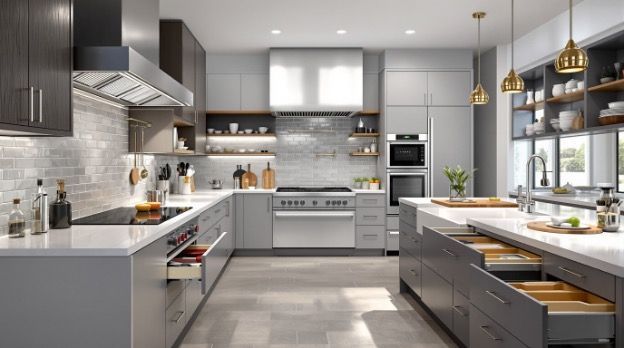
Many homeowners also think about how projects connect across the house. Updating a bathroom alongside future plans for kitchen remodeling or coordinating surfaces with materials like kitchen countertops can make the whole home feel more cohesive.
In established Pittsburgh neighborhoods, buyers usually care more about clean, functional spaces than luxury features.

Typical Costs, Timeline, and Hidden Surprises to Plan For
Most bathroom remodels in the Pittsburgh area fall between $15,000 and $35,000 or more, depending on the size of the space and the materials you choose. Larger projects or major layout changes can push that higher.
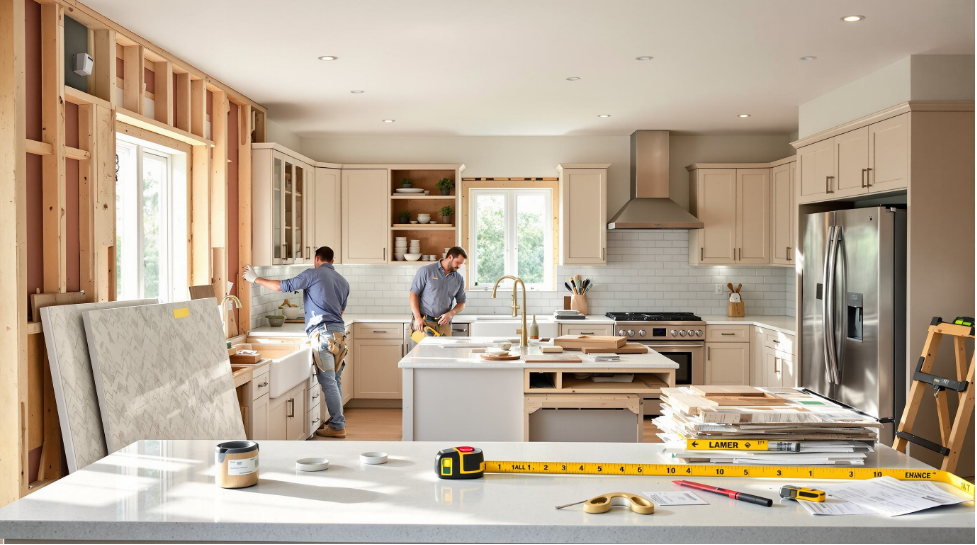
Once construction starts, the work usually takes 3 to 6 weeks. Planning, product selection, and scheduling often add several weeks before that.
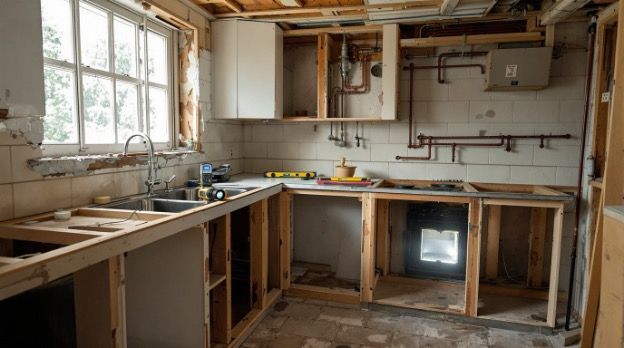
Older homes sometimes come with surprises. When we open up walls or floors, it’s not unusual to find outdated plumbing, hidden water damage, or subfloor issues that need to be fixed before the new materials go in. Taking care of those problems early protects your investment, even if it adds a little time or cost.
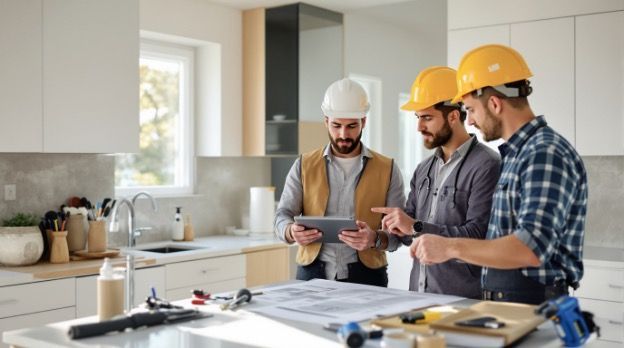
You’ll also want a plan for daily life during construction. If your home only has one full bathroom, you’ll need a temporary setup. Our team always talks through these details upfront so you know what to expect before the work begins.