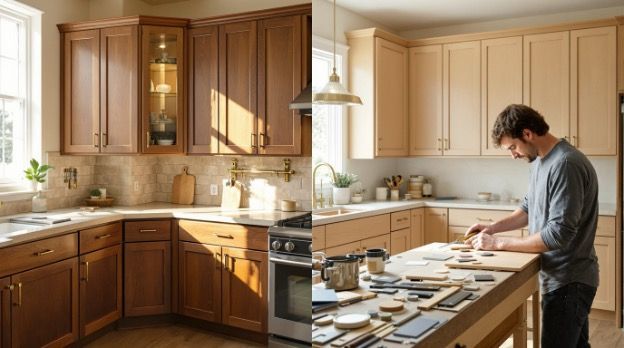

Kitchen Layout Mistakes That Hurt Function
Kitchen Remodeling in Pittsburgh, PA: Layout Tips
Quick Take: Most kitchen problems come down to layout, not finishes. In many Pittsburgh homes built in the 1970s to 1990s, outdated layouts create traffic jams and poor workflow that make daily cooking frustrating. Planning the right spacing and work zones upfront keeps remodel costs in the $25,000 to $70,000 range and helps projects stay on a 4 to 8 week timeline.
A kitchen remodel is exciting, but layout decisions will shape how the space works long after the new cabinets and countertops are installed. Many Pittsburgh homeowners live with kitchens that feel crowded, inefficient, or outdated because the original floor plan no longer fits how their family cooks, gathers, and moves through the space.
Below, you’ll learn the most common kitchen layout mistakes that hurt daily function and how to avoid them. We’ll walk through workflow problems, spacing guidelines, appliance and storage planning, and the design choices that make a kitchen easier to live in, not just better looking.
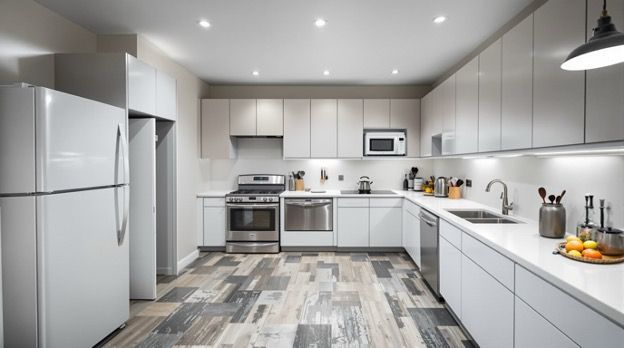
When the Work Triangle Fails
The kitchen work triangle connects your sink, refrigerator, and cooktop. Each side should measure about 4 to 9 feet. When that balance is off, even a beautiful kitchen can feel awkward to use.
Too Tight
In smaller kitchens, homeowners sometimes cluster appliances too close together. This creates crowding and limits prep space. You end up turning sideways, bumping cabinet doors, or working without enough landing area.
Too Spread Out
At the other extreme, open layouts sometimes push appliances too far apart. Walking long distances between the sink, stove, and fridge slows everything down, especially when cooking multiple dishes.
We see this often in older Pittsburgh homes where walls were removed without rethinking the workflow. During the design phase, our team maps daily movement patterns so your layout supports how you actually cook, not just how the room looks.
Traffic Flow That Cuts Through Your Workspace
A kitchen should allow people to move through the space without crossing the cooking zone. When traffic cuts between the sink, stove, and refrigerator, it creates safety risks and constant interruptions.
Clearances matter:
- 42 inches between counters for one cook
- 48 inches if two people cook regularly
- Separate pathways for family traffic whenever possible
In many Pittsburgh homes, kitchens were originally closed off. When homeowners open the space without adjusting the layout, the kitchen becomes a hallway. Kids grabbing snacks, guests walking through, and pets underfoot all disrupt the work area.
Good workflow design creates clear zones. One area for cooking. Another for passing through. That separation makes the kitchen feel calmer and much easier to use during busy mornings or when entertaining.
Islands That Are Too Big or Poorly Placed
An island often becomes the centerpiece of a remodel, but it’s also one of the most common layout mistakes. Bigger isn’t always better. When an island is oversized or poorly positioned, it can crowd the room and disrupt how the kitchen functions.
Clearance is the first issue we look at. You need at least 42 to 48 inches on all working sides so people can move comfortably and appliances can open fully. Seating is another trouble spot. When stools sit too close to the prep area, they interfere with cooking, cleanup, and everyday movement. We also see situations where refrigerator, dishwasher, or oven doors hit the island, creating daily frustration.
In many Pittsburgh homes, space is limited, so proportion matters. An island that dominates the room can make the entire kitchen feel tight. During the planning stage of a kitchen remodeling project, we help homeowners scale the island to fit the space so you get the right balance of workspace, seating, and comfortable flow.
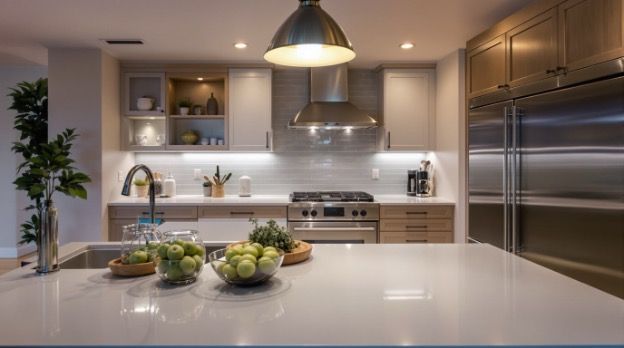
Cabinet Placement That Slows You Down
Cabinet design affects much more than appearance. Where storage is located determines how smoothly you move through daily tasks. Even small placement mistakes can make a kitchen feel inefficient over time.
One common issue is the lack of landing space next to major appliances like the refrigerator or oven. Without a nearby surface, you’re left carrying hot dishes or heavy groceries across the room.
Upper cabinets can also cause problems when they’re installed too low, blocking sightlines and making the space feel closed in. Deep corner cabinets often turn into wasted storage, while everyday items sometimes end up far from where they’re actually used.
Good workflow design keeps dishes near the dishwasher, cooking tools near the range, and frequently used items within easy reach. When planning kitchen cabinets, our team focuses on how you live and move in the space so your kitchen not only looks great but works comfortably every day.
Appliance and Countertop Planning Mistakes
Appliance placement and counter space should work together. Without proper landing areas, even high-end appliances become difficult to use.
Recommended landing space:
- 12 to 15 inches beside the refrigerator
- 12 inches on one side of the cooktop and 15 inches on the other
- At least 18 inches near the sink
Another common issue is door conflicts. Refrigerator doors hitting islands, dishwasher doors blocking walkways, and wall ovens placed in tight corners all create daily friction.
Countertop layout also affects function. Long, uninterrupted prep areas make cooking easier and safer. During planning for kitchen countertops, we look at how surfaces connect to appliances and work zones so everything flows naturally.
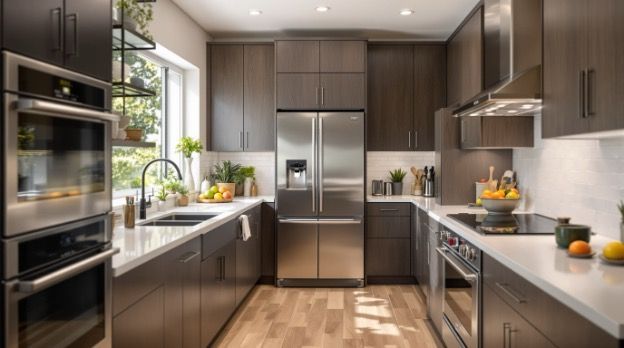
Why Layout Planning Matters More Than Finishes
Most homeowners start with colors, materials, and inspiration photos. Those choices matter, but layout decisions have a much bigger impact on how the kitchen feels day to day.
Changing finishes later is simple. Moving plumbing, electrical, or walls after installation is expensive and disruptive. Layout mistakes often require structural work that can add thousands to the project.
Many Pittsburgh homes were built with smaller kitchens and compartmentalized layouts. Updating them successfully requires careful planning before construction begins. That early design work helps avoid surprises, keeps budgets under control, and shortens the construction timeline.
Our team approaches every project with a design first mindset, whether it’s a full kitchen update or coordinating the space alongside a bath remodeling project. When the layout works, everything else falls into place.
Conclusion
A kitchen’s function comes from its layout, not just its finishes. Poor spacing, crowded walkways, and misplaced storage can turn everyday tasks into constant frustration.
Taking time to plan the work triangle, traffic flow, clearances, and storage locations helps you avoid costly changes later. With the right layout, your kitchen feels easier to use, more comfortable for family life, and better suited for entertaining.
If your kitchen feels crowded, inefficient, or difficult to use, the layout is usually the reason. The right plan can improve how you cook, move, and gather every day while helping you avoid costly changes later.
Our team at Jacob Evans Kitchen & Bath takes a design-first approach to every project. We’ll walk through your space, talk about how your household actually uses the kitchen, and create a layout that fits your home, your routine, and your budget. Visit our Pittsburgh showroom or schedule a consultation to start planning a kitchen that works as good as it looks.