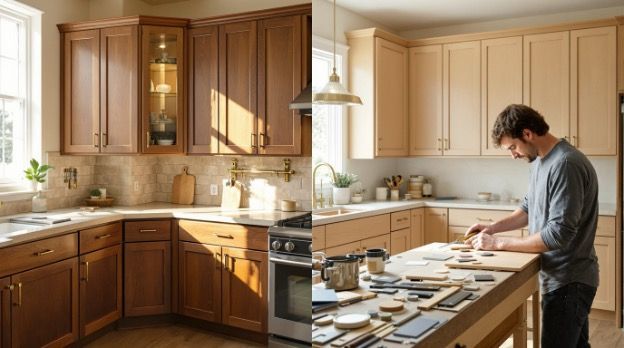

Kitchen Remodeling for Older Homes
Kitchen Remodeling for Older Homes in Pittsburgh, PA
Quick Take: Kitchen remodels in older Pittsburgh homes usually run $25,000 to $55,000 for mid-range work. Whatever your budget is, add 10 to 15% on top of it. Homes built before 1990 almost always have at least one surprise waiting behind the walls.
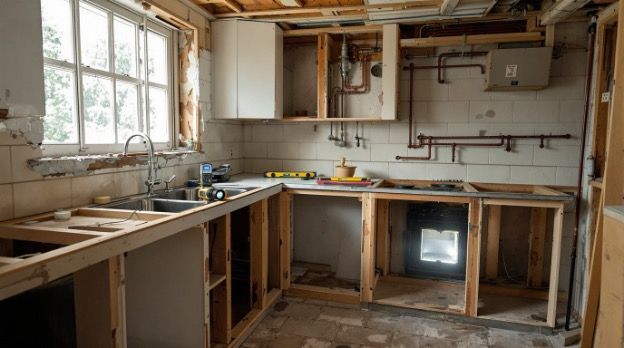
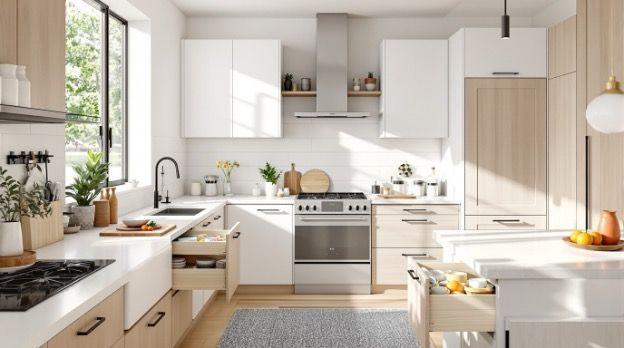
A lot of Pittsburgh families have lived in their split-level or ranch home for 15, 20, sometimes 30 years. The house itself is solid. The kitchen, though? That's a different story. If you're still working around the same layout the previous owners left behind, kitchen remodeling isn't just a cosmetic project. It changes how the whole room works.
Here's something worth knowing before you start. An older home isn't a problem. Designers who work in Pittsburgh's South Hills and North Hills neighborhoods see these homes all the time. The good ones will tell you the same thing: the bones are genuinely better than what you'd find in a newer build. Thick plaster walls, real wood trim, solid framing. That's a foundation worth building on.
Why Older Pittsburgh Kitchens Feel So Frustrating
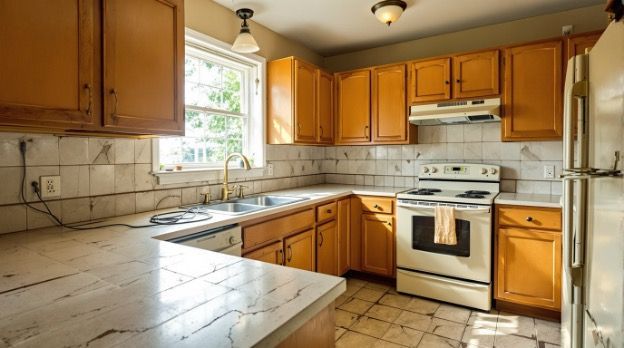
Think about when your home was built. If it was the 1970s or 1980s, the kitchen was designed for one person to cook while everyone else stayed out of the way. Nobody was gathering around an island. You had your counter space, your cabinets, and a window above the sink if you were lucky.
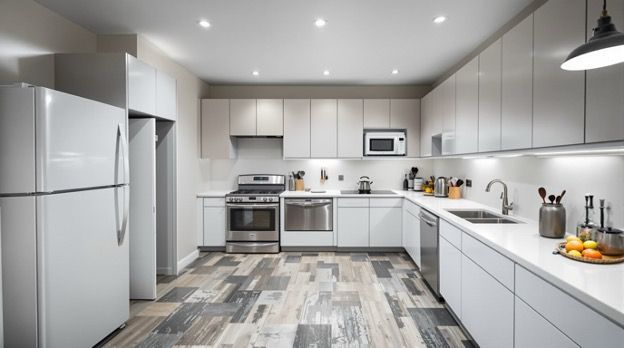
That's why so many of these kitchens feel cramped today. The fridge door hits the cabinet when you open it. Two people can't stand at the counter without bumping into each other. There's nowhere to set anything down when you're unloading groceries. It's not a design flaw, exactly. It's just a kitchen built for a different way of living.
The Hidden Work That Comes Before New Cabinets
Think about when your home was built. If it was the 1970s or 1980s, the kitchen was designed for one person to cook while everyone else stayed out of the way. Nobody was gathering around an island. You had your counter space, your cabinets, and a window above the sink if you were lucky.
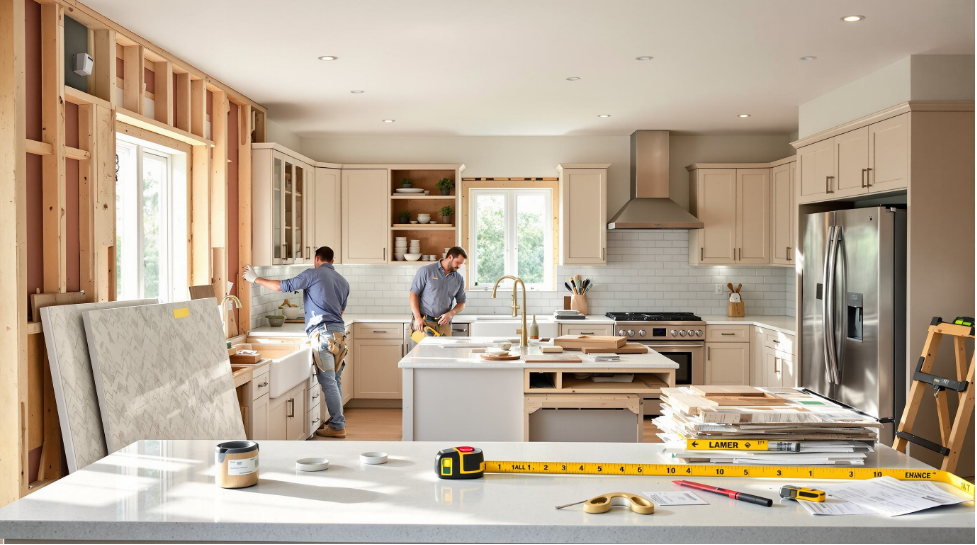
This is the part most people don't expect. You hire someone to redo your kitchen, and the first thing they tell you is that you need electrical work. Or new plumbing. Or that the wall you wanted to remove is load-bearing. It feels like a curveball, but in an older home, it's pretty normal.
Here's what tends to come up:
- Old electrical panels: Homes from the 1960s and 70s were often wired with 60-amp or 100-amp panels. A modern kitchen needs multiple dedicated 20-amp circuits for countertop appliances, plus separate circuits for the fridge, dishwasher, range, and microwave. An older panel can't always handle that safely, so upgrading it becomes part of the budget.
- Knob-and-tube wiring: Some Pittsburgh homes still have this old wiring running through the walls. It's not compatible with today's grounded outlets, so it has to be replaced before any new kitchen work can begin.
- Galvanized pipes: These old steel pipes rust from the inside over time, which shows up as low water pressure or a brownish tint. Moving the sink or adding a dishwasher is usually the right time to replace them.
- Load-bearing walls: That wall between your kitchen and dining room might or might not come down. A structural check at the start of the project answers that question before you've spent anything
None of this means your project is derailed. It just means plan for it up front. Jacob Evans Kitchen and Bath walks through all of this during the design process so nothing catches you off guard mid-project.
Keeping What Makes Your Home Feel Like Home
Some homeowners worry that a new kitchen will make their older house look like it had a bad face lift. Fresh white cabinets in a home that still has all its original 1970s trim. It looks off because nobody thought about how the two would go together.
What's Worth Saving
Some homeowners worry that a new kitchen will make their older house look like it had a bad face lift. Fresh white cabinets in a home that still has all its original 1970s trim. It looks off because nobody thought about how the two would go together.
The details in Pittsburgh's older homes are assets, not problems. Wide window casings. Hardwood floors. Chunky wood trim around the doorways. A good designer builds the kitchen around those things, not over them. Shaker-style cabinets work well here because the look is simple. Warm whites, creamy off-whites, and deep greens tend to feel right without fighting the original details of the house.
Where New Stuff Actually Helps
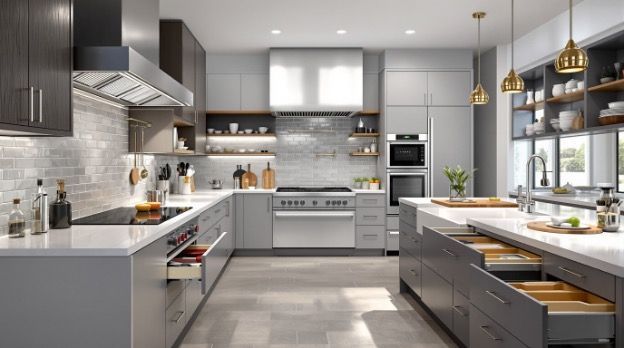
Function is where the newer materials earn their place. Better lighting under the cabinets. Deep drawers instead of those lower cabinets with the lazy Susan that never worked right. A countertop that doesn't stain. These things don't erase the character of the home. They just make it easier to live in.
Cabinets are usually the biggest decision in the whole project. The right kitchen cabinets built for your exact space do more than anything else to change how the room looks and works. A designer who measures before suggesting anything will catch things you'd never notice, like a doorway that's two inches too narrow for the cabinet run you had in mind.
Can You Actually Change the Layout?
Maybe. It depends on what's in the walls.
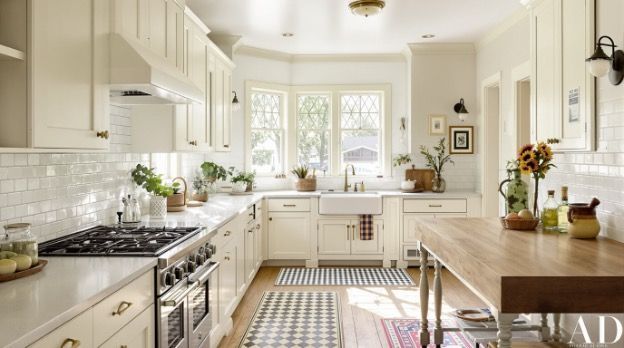
A lot of homeowners come in wanting to knock down the wall between the kitchen and the dining room. Sometimes that's totally doable. Other times that wall is load-bearing, or it's got plumbing running through it, and moving it costs more than it's worth. A structural check at the beginning of the project tells you which situation you're in.
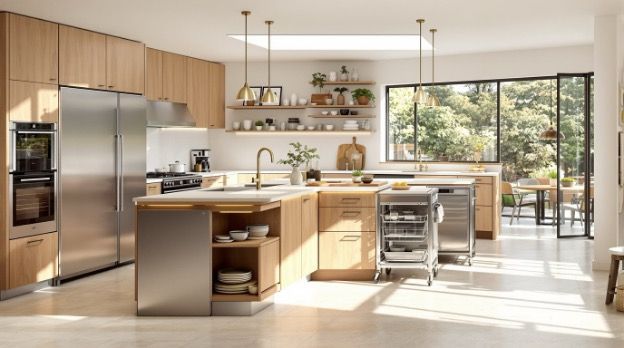
When a wall can come down, it changes the room completely. Opening up the kitchen to the dining space in a South Hills ranch or split-level is one of the more common updates we see, and homeowners are usually glad they did it. One wall, done right, can make the whole floor plan feel different without a huge construction job.
What It Actually Costs to Redo a Kitchen in an Older Home
For most mid-range kitchen projects in the Pittsburgh area, you're looking at $25,000 to $55,000. That covers design, cabinets, countertops, appliances, and labor. If you're in Upper St. Clair or Peters Township and want higher-end finishes, $65,000 to $85,000 is a more realistic range. Neither number includes structural or mechanical work that turns up once demolition starts.
Add 10 to 15% to whatever number you're planning around. That's not padding. That's what keeps a mid-project discovery, cracked framing, old wiring, a leaking drain line, from becoming a reason to stop work.
A lot of people decide to handle the bathrooms at the same time. Bath remodeling in a Pittsburgh home from this era tends to turn up the same plumbing and electrical issues. Doing both under one designer usually means less disruption and often saves money compared to two separate projects.
What Working With Jacob Evans Actually Looks Like
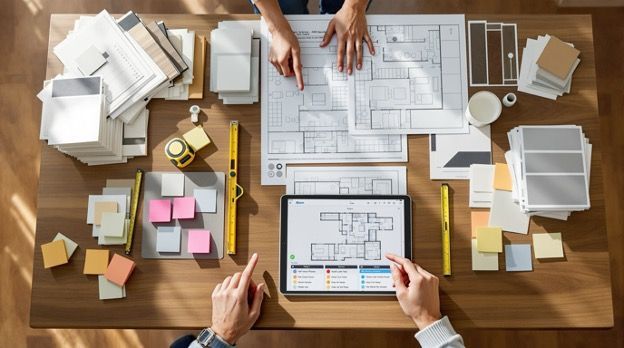
We don't start with cabinets. We start with questions. Before we suggest a single thing, we want to know how you actually use your kitchen. Who cooks? Do two people cook at the same time? Where does everything land when you come home from the store? The answers shape every decision that follows.
Once we understand what you need, our team builds out detailed color renderings. You see the finished kitchen on a large flat-screen TV in the showroom before anything gets ordered. In an older home, where existing trim and proportions matter, that step prevents expensive surprises.
Older Pittsburgh Homes Have Something Worth Investing In
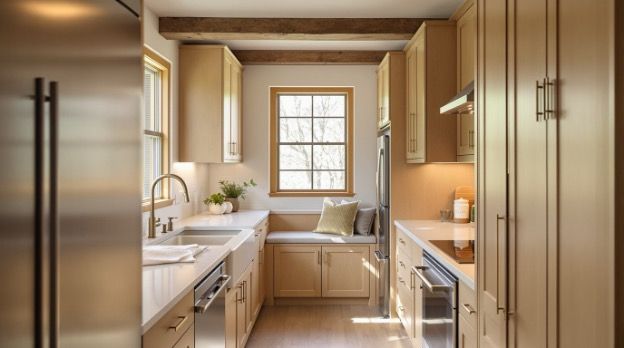
Pittsburgh's South Hills and North Hills homes weren't built to be sold in five years. They were built to stay, and most of them have. The construction shows it. What these homes usually need is a kitchen that has finally caught up with the people living in them.
When a remodel like this comes together, it doesn't feel like a renovation. It feels like the kitchen was always supposed to be that way. Stop by the showroom or call us to set up a time. We'll walk through your space and give you a straight answer about what it'll take.