
What Does Kitchen Remodeling Cost?
Kitchen Remodeling in Pittsburgh, PA Cost Guide
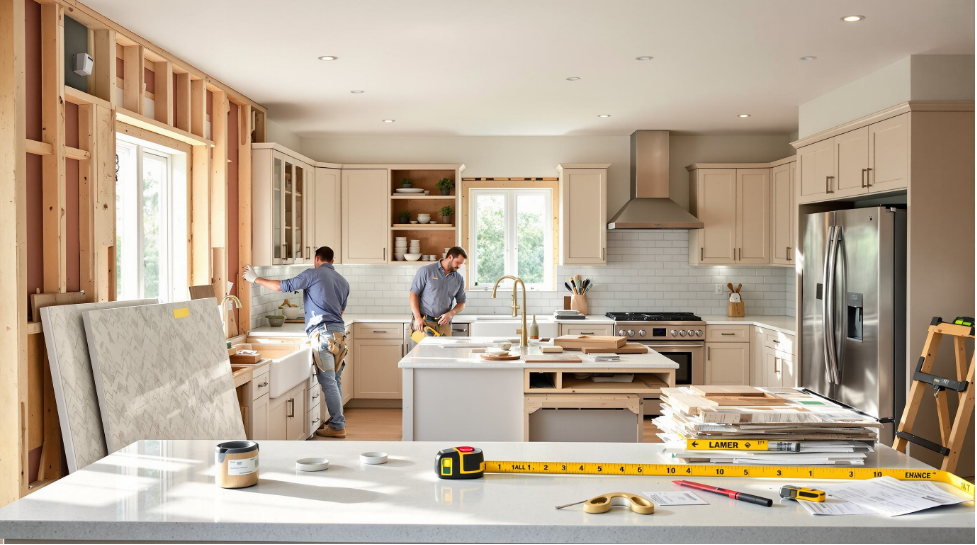
Quick Take: Most Pittsburgh kitchen remodeling projects cost between $25,000 and $80,000, depending on size, materials, and whether the layout changes. Cabinets and labor make up the largest portion of the remodel budget. With proper planning and a design-first approach, most projects take about 6 to 10 weeks and avoid costly surprises.
Kitchen remodeling is one of the most valuable upgrades you can make, but how much will it actually cost? Prices can vary widely based on layout changes, material choices, and the condition of the home. Many local kitchens still reflect the decade they were built, and updating them properly means planning for both visible improvements and the hidden work behind the walls.
Below, you will find a clear breakdown of what drives kitchen remodeling cost in Pittsburgh, where your budget typically goes, and how different project levels compare. We will also walk through common surprises, realistic timelines, and practical ways to set a budget that keeps your project on track from the start.
Average Kitchen Remodeling Cost in Pittsburgh
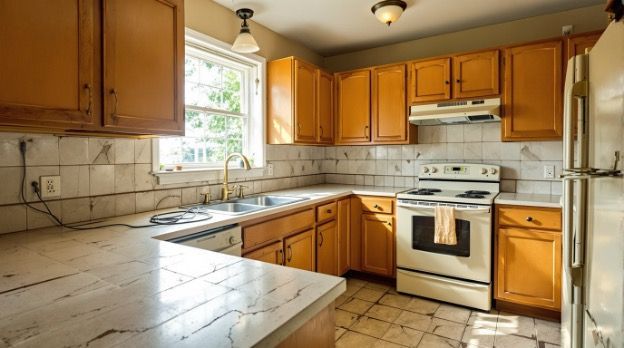
Kitchen remodeling cost in Pittsburgh varies widely because every home starts with different conditions. Many houses across the South Hills, North Hills, and surrounding neighborhoods were built between the 1970s and 1990s, which means aging electrical systems, outdated layouts, or worn materials often factor into renovation estimates.
Here is a general price range most homeowners see:
- Basic refresh: $20,000 to $35,000 for cabinet replacement, new counters, lighting, and cosmetic updates
- Midrange remodel: $35,000 to $65,000 for semi-custom cabinetry, upgraded materials, and appliance replacement
- High-end remodel: $65,000 to $100,000+ for layout changes, custom cabinets, and premium finishes
National averages do not always reflect local realities. Older Pittsburgh homes sometimes require electrical upgrades, plumbing adjustments, or code updates once work begins. On the other hand, keeping your existing layout and avoiding structural changes can significantly reduce overall costs. The size of the kitchen matters, but layout decisions and material choices usually have a much bigger impact on the final price.
Where Your Remodel Budget Actually Goes
Understanding how your budget is distributed helps you decide where to invest and where to simplify. Most kitchen projects follow a similar cost structure.
Typical breakdown:
- Cabinetry (30 to 40%)
Cabinets are usually the largest expense because they define storage, layout, and long-term durability. Exploring options for kitchen cabinets early helps set realistic expectations. - Labor (20 to 30%)
Skilled trades handle demolition, installation, electrical, plumbing, and finishing. Labor costs increase when layouts change or structural work is required. - Countertops (10 to 15%)
Material choice drives pricing. Quartz and natural stone are popular for durability and low maintenance. You can compare material options for kitchen countertops. - Appliances (10 to 15%)
- Flooring, lighting, and finishes (5 to 10%)
When we guide homeowners through planning, we focus on aligning spending with everyday use. Investing in storage, workflow, and durable surfaces typically delivers more value than upgrading decorative elements alone.
What Drives Costs Up or Down
Two kitchens of the same size can differ by tens of thousands of dollars. The biggest factor is whether the footprint stays the same.
Moving plumbing, gas lines, or electrical connections quickly increases labor costs. Relocating a sink, range, or refrigerator often means opening floors or walls, adding permits, and extending the timeline. Keeping major appliances in their current locations is one of the most effective ways to control your remodel budget.
Material selection also plays a major role. Stock cabinets cost less than semi-custom or fully custom options. Laminate counters are budget-friendly, while quartz, granite, or specialty materials increase material pricing.
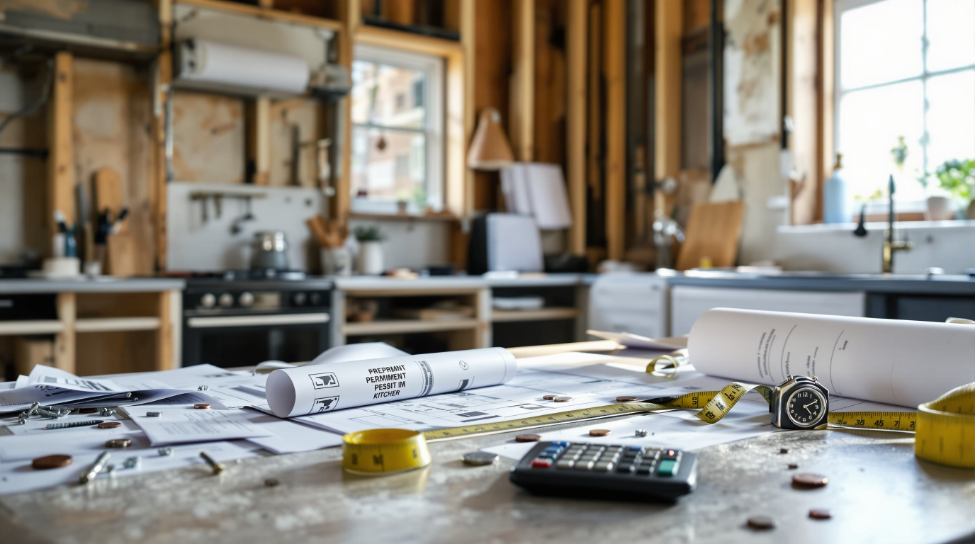
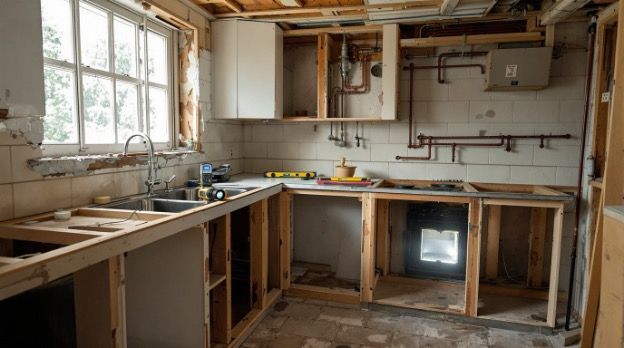
Local conditions matter as well. Many Pittsburgh homes require electrical panel upgrades to support modern appliances, and older wiring or plumbing may need replacement once demolition begins. We often uncover these issues behind walls, which is why planning for a contingency helps prevent stress if unexpected work becomes necessary.
Small, Midrange, and High End Remodels: What You Actually Get
Budget ranges make more sense when you understand what is included at each level.
Basic Update
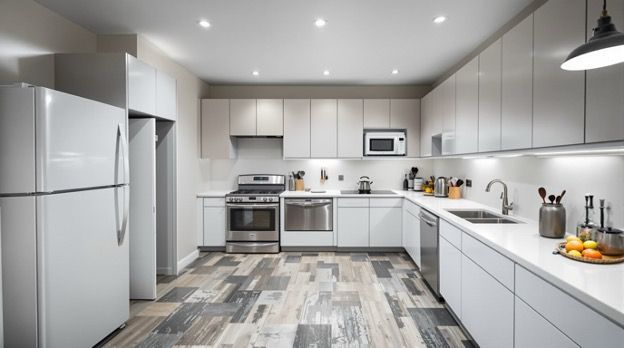
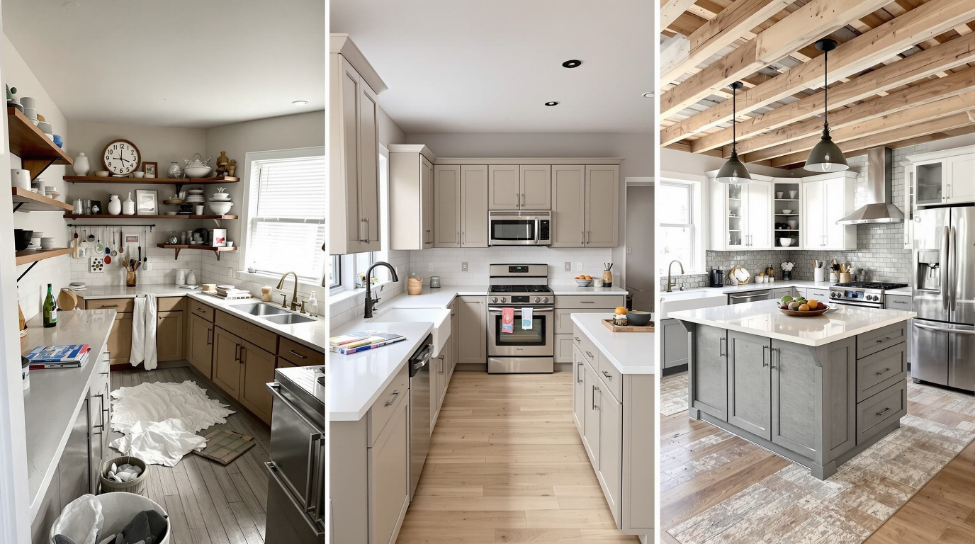
A basic remodel focuses on improving appearance without changing the layout. Homeowners typically replace cabinets, install new countertops, update lighting, and refresh flooring or paint. This option works well when the kitchen functions properly but looks dated or worn.
Midrange Remodel
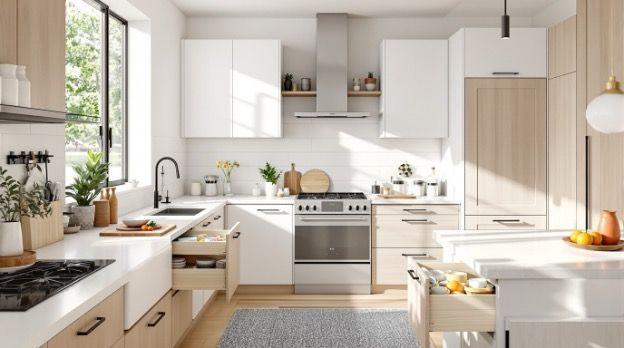
This is the most common type of project in Pittsburgh. It usually includes semi-custom cabinetry, durable countertop materials, new appliances, improved lighting, and minor layout adjustments. Storage upgrades such as pull-out shelves, deeper drawers, or a modest island often fall into this category.
High End Custom Project
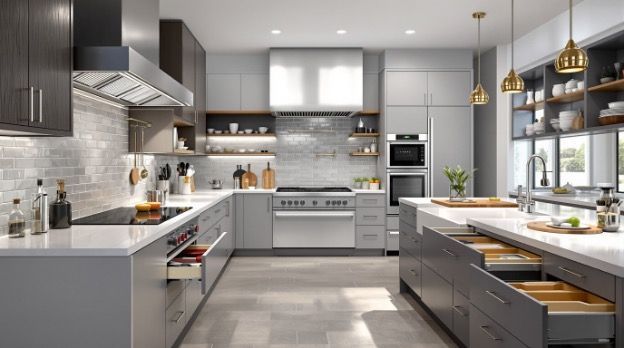
High-end remodels involve major layout changes, fully custom cabinetry, premium appliances, and design features built around how the homeowner cooks and entertains.
Walls may move, windows may be added, and every finish is selected for long-term performance and a tailored look. These projects require more planning but deliver a fully personalized space.
Choosing the right level depends on how long you plan to stay in your home and how much your current kitchen limits daily life.
Hidden Costs Most Homeowners Don’t Expect
The most stressful remodels are the ones that start without room in the budget for the unknown. Older homes often reveal issues once demolition begins.
Common hidden costs include:
- Outdated wiring or plumbing that no longer meets code
- Water damage or mold behind cabinets or under flooring
- Structural repairs from previous work
- Permit and inspection requirements
- Creating a temporary kitchen during construction
Living without a kitchen for several weeks can also be more disruptive than expected. Many homeowners rely on a microwave, slow cooker, or outdoor grill while washing dishes in a laundry sink or bathroom.
We recommend setting aside a 10 to 20 percent contingency fund. That cushion allows problems to be fixed properly instead of forcing rushed decisions or budget compromises in the middle of construction.
How to Set a Realistic Budget Before You Start
Setting a realistic budget starts with making your biggest decisions before construction begins. Changes after materials are ordered or work is underway almost always increase costs and delay the timeline.
Think about how long you plan to stay in your home, what problems your current kitchen creates each day, and which features matter most to you, whether that is better storage, more workspace, or a more updated look.
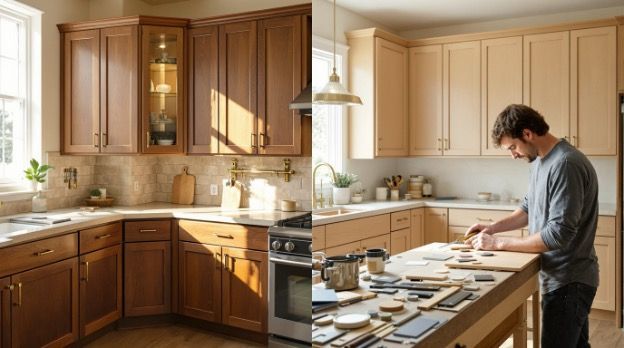
Seeing materials and layouts in person helps narrow choices and prevents expensive second-guessing later. Our team works with homeowners to create detailed plans and visual renderings so you know exactly what the finished space will look like and how it will function before anything is ordered.
Many Pittsburgh homeowners also consider the bigger picture and coordinate future bath remodeling to manage overall renovation spending. Starting with professional kitchen remodeling planning gives you clear pricing, realistic timelines, and the confidence that your project is set up to stay on budget.
Conclusion
A kitchen remodel is a big investment, and the numbers can feel overwhelming at first. In most Pittsburgh homes, your budget comes down to a few key decisions like your cabinets, your layout, and how much work needs to happen behind the walls. The more you plan ahead and build in a cushion for surprises, the smoother the project usually goes.
If you are thinking about remodeling, the best place to start is by getting clear on what you want the space to do and what you are comfortable investing in. Our team works with Pittsburgh homeowners to map out layouts, review material options, and talk through realistic price ranges before anything is ordered.
If you are ready to explore your options, contact us today and take a look at our approach to professional kitchen remodeling and see what your project could look like.