
Design-Build Remodeling in Pittsburgh, PA
Design-Build Remodeling in Pittsburgh, PA
Quick Take: With design-build remodeling, you work with one team that handles design, pricing, and construction, helping keep your project on schedule and your budget under control. That matters in many Pittsburgh homes built in the 1970s to 1990s, where hidden plumbing, wiring, or layout issues can turn into expensive surprises.
If you are thinking about a remodel, you probably want the process to go as smoothly as the finished space looks. The problem is that with the traditional approach, design and construction are handled separately, and that is where a lot of headaches start. Budgets change, timelines stretch, and you end up stuck in the middle trying to sort things out.
Here is what you can expect below. You will see how design build remodeling works, how it helps you stay on budget and on schedule, and why it tends to work especially well for homes around Pittsburgh. We will also walk through the common issues this approach helps you avoid so you can go into your project with a clear plan and fewer surprises.
The Most Common Remodeling Problems Homeowners Face
If you have talked to neighbors about remodeling, you have probably heard the same stories. The budget climbs higher than expected, the schedule keeps slipping, and nobody seems to be on the same page. A designer creates a beautiful plan, then the contractor prices it and tells you it is way over budget. Now you are redesigning, waiting, and making decisions twice.
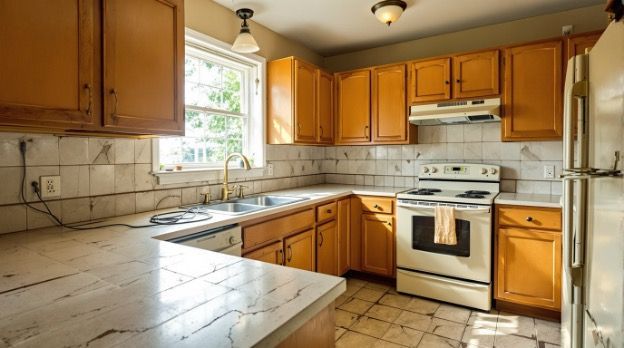
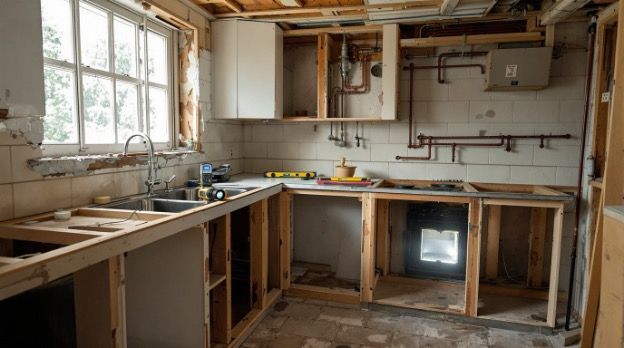
Here in Pittsburgh, older homes add another layer of risk. Once work starts, it is common to find outdated wiring, aging plumbing, or framing that needs adjustment. When the designer and contractor work separately, those discoveries often turn into change orders and uncomfortable conversations about who missed what.
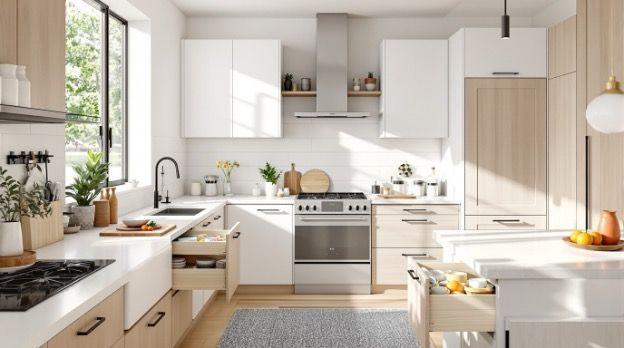
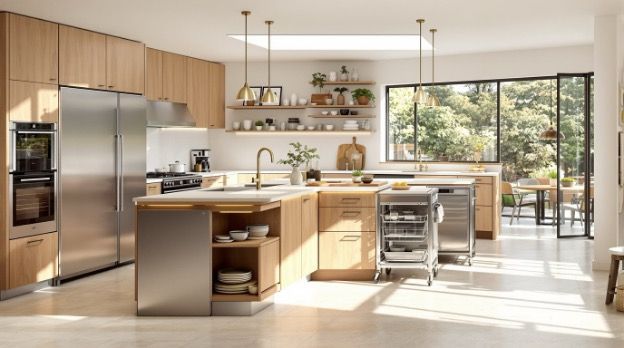
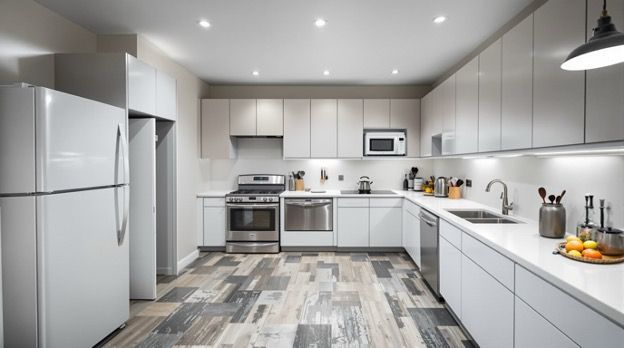
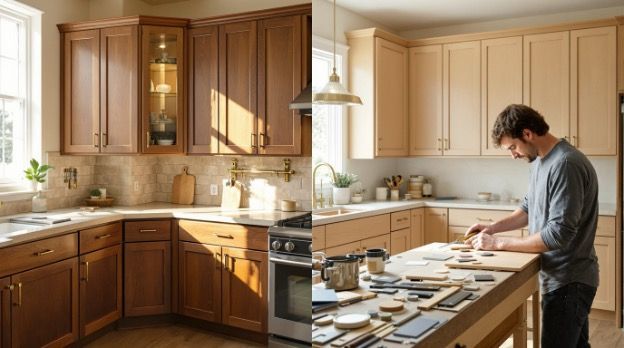
A lot of homeowners begin a kitchen remodeling project excited and confident. Then the process itself becomes the stressful part. Most of the problems people run into are not about the project. They come from how the project is managed.
How Design-Build Keeps Everyone Aligned From Day One
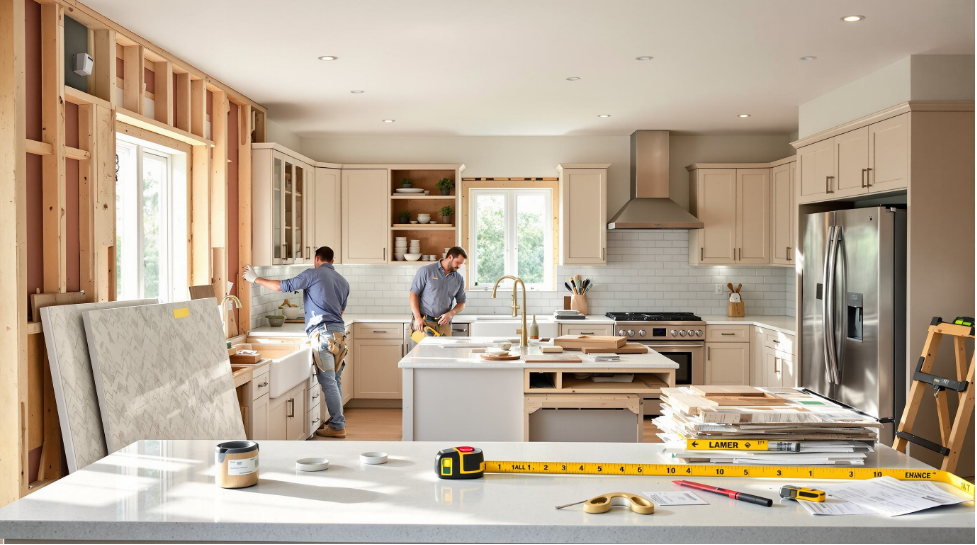
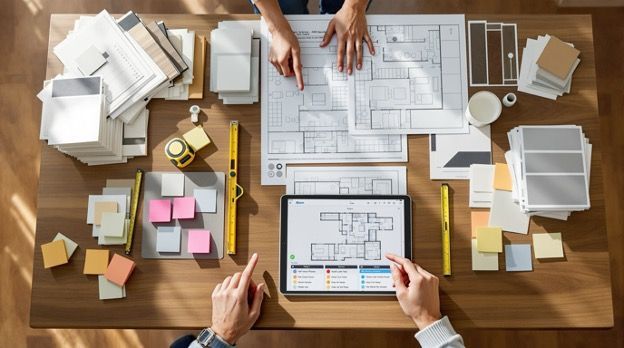
Design-build works differently because you are hiring one company to handle the entire job. Design, product selection, budgeting, and construction all happen under one roof. You are not juggling multiple contracts or trying to coordinate separate teams.
This makes a big difference early on. The designer is not just creating a wish list. They are working with the construction team to make sure the layout, materials, and scope match real costs and real building conditions. If something needs to change, it gets solved inside the same team instead of bouncing back and forth between companies.
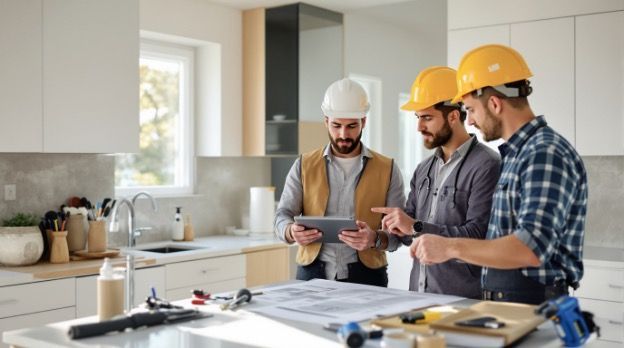
From your perspective, it is simpler. You have one point of contact and one group responsible for the results. We coordinate the details, the schedule, and the installation so you are not stuck managing the project yourself. If questions come up, you know exactly who to call.
Below are the benefits you can experience with the design-build remodeling.
1. Realistic Budgets Because Design and Pricing Happen Together
One of the biggest advantages of design-build is that the budget develops alongside the design. Instead of finishing a plan and pricing it later, costs are reviewed as you make decisions. That allows you to adjust early, before anything gets locked in.
For example, during a typical bath remodeling project in Pittsburgh, you might shift to a different tile size, fixture line, or layout approach to stay within the budget. Those small changes are easy during planning and much harder once construction starts.
Design-build budgeting helps you avoid surprises by:
- Tracking real material and labor costs as selections are made
- Flagging structural or mechanical concerns early
- Defining the full scope before work begins
- Keeping change orders to a minimum
You should still plan for a contingency, especially in older homes, but you will have a much clearer picture of the total cost from the start.
2. Faster Projects With Fewer Delays and Last-Minute Changes
When design and construction are handled separately, projects often stall between phases. Plans are finished, bids are collected, revisions happen, and materials are ordered later. Weeks can pass before any real work begins.
With design-build, the timeline moves more efficiently. Once the layout and major selections are approved, the team can order long lead items like cabinetry and fixtures right away. Scheduling also happens earlier because the same company is managing the entire process.
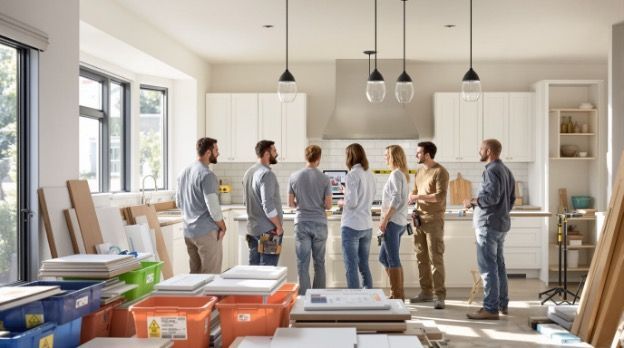
For most Pittsburgh homes, kitchen construction takes about 6 to 10 weeks once work begins. Bathrooms usually take 3 to 6 weeks, depending on size and complexity. Delays can still happen if hidden issues show up or specialty items are backordered, but early coordination helps keep things moving.
If you are living in the house during the remodel, that smoother timeline makes a big difference.
3. Better Decisions With Showroom Access and 3D Planning
Before construction starts, you want to feel confident about every major choice. Seeing materials in person and reviewing detailed renderings helps you understand how everything will look and work together. That clarity makes decisions easier and helps you avoid second-guessing later.
See Materials Before You Commit
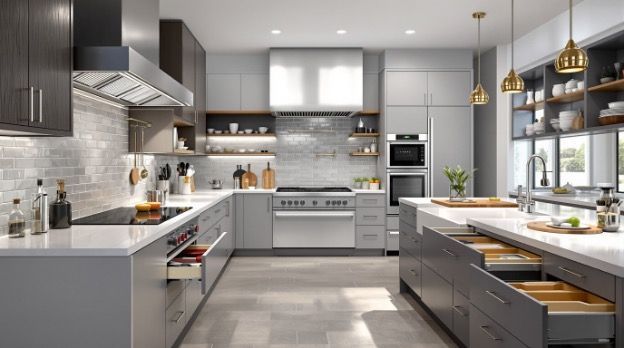
Making big decisions from tiny samples or online photos can be frustrating. In a design-build showroom, you can see full door styles, finishes, hardware, and surfaces in one place. When you look at actual kitchen cabinets next to your selected kitchen countertops, it is much easier to picture how everything will work together.
Seeing the options in person helps you make decisions faster and feel more confident about them.
Visualize the Finished Space Before Construction
Most design-build teams also create detailed color renderings or 3D views of your space. These visuals show the layout, lighting, and material combinations before anything is ordered.
We use these renderings to make sure the design matches what you have in mind. Small changes at this stage are simple. After installation, they can be expensive and frustrating.

Why Design-Build Works Especially Well for Pittsburgh Homes
A lot of homes across Pittsburgh, especially in the South Hills and North Hills, were built between the 1970s and 1990s. The structure is solid, but the layout, storage, and systems often feel dated for how people live today.
Once walls are opened, it is common to find older electrical panels, aging plumbing, or framing that needs reinforcement. With a design-build approach, the team plans for those possibilities and builds flexibility into the budget and schedule.
Local experience matters, too. Pittsburgh homes often have unique layouts and a long history of small updates over the years. When design and construction are planned together, those realities shape the project early instead of turning into surprises later.
If you have lived in your home for years and want to remodel once and do it right, design-build gives you a more predictable path from the first conversation to the finished space.
Conclusion
If you want your remodel to go smoothly, the process matters just as much as the design. When one team handles planning, pricing, product selection, and construction, you spend less time managing problems and more time making confident decisions. You know who is responsible, what things cost, and what the timeline looks like before work begins.
If you are thinking about a remodel, the best first step is a simple conversation about your space, your goals, and your budget. Our team can walk you through the design build process, show you material options in the showroom, and help you understand what your project might look like before any work begins.
Schedule a consultation and take the first step toward a smoother remodeling experience.