
When Should You Remodel Your Kitchen?
When to Remodel Your Kitchen | Best Timing | Pittsburgh, PA
Quick Take: Most Pittsburgh homeowners wait years longer than they should to remodel their kitchen. The right time usually comes down to three things: your kitchen no longer works for your life, aging systems are starting to fail, or a major life change is pushing you toward action.
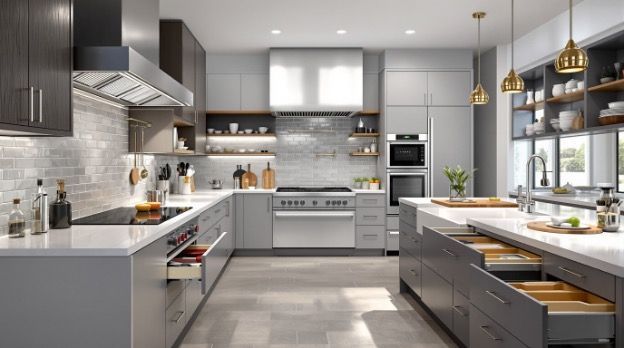
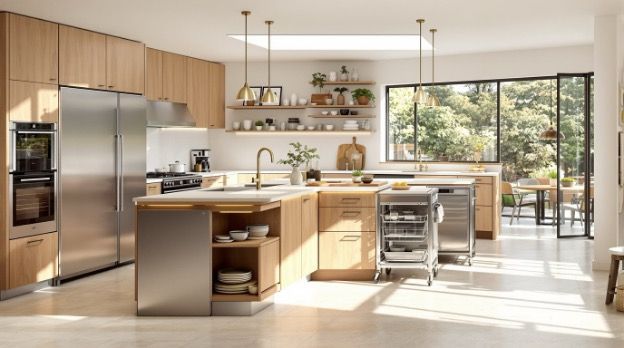
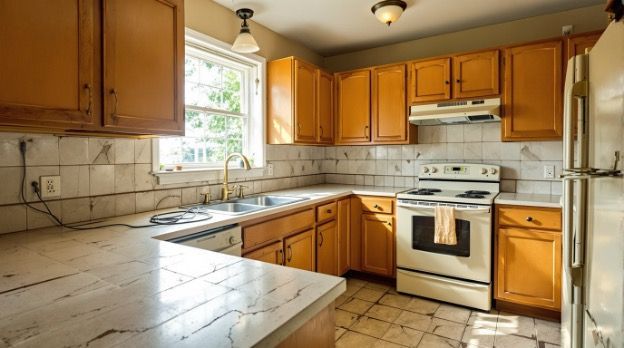
Most Pittsburgh kitchens were built for a different era. The ranch homes in Bethel Park and the split-levels in Mt. Lebanon were designed for one cook, minimal counter space, and cabinets that felt perfectly fine two decades ago. Today, those same kitchens feel crowded, dark, and completely out of step with how families actually use the space.
If you’ve been delaying a kitchen remodel, you’re not alone. Many homeowners wait until something breaks or the frustration becomes impossible to ignore. This blog walks you through exactly when to act, what to budget for, and what the process looks like from start to finish.
So how do you know when the time is actually right? Here are the most common signs, situations, and practical factors that tell you it’s time to stop waiting and start planning.
Your Kitchen Is Sending You Signals
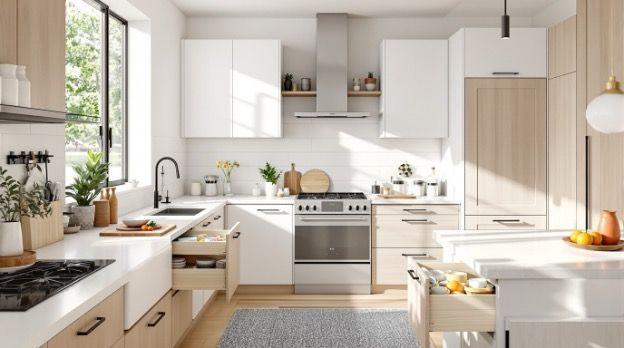
Some signs are hard to miss. Your counters run out of space before you finish prepping a meal. Two people can’t stand at the stove and the sink at the same time without bumping into each other. You’ve rearranged the cabinets three times and still can’t find a logical place for anything.
Other signs are easier to brush off, but they add up. The layout felt fine when it was just you. Now you’re cooking for a family, hosting more often, or just spending more time at home. The kitchen that worked ten years ago isn’t keeping up anymore.
This is one of the most common things we hear from homeowners who come to us for the first time. They’ve been tolerating a kitchen that slows them down every single day. Many of the homes we work on in Pittsburgh were built with small, closed-off kitchens that weren’t designed for the way people cook and live today. If your kitchen feels more like an obstacle than a workspace, that frustration is worth acting on. Exploring your kitchen and bath remodeling options is a natural first step.
Aging Systems You Shouldn’t Ignore
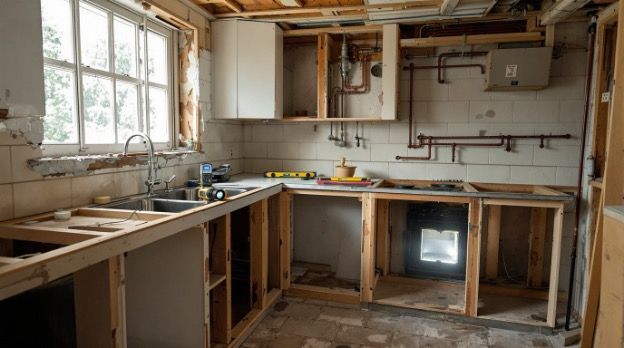
A kitchen that looks dated is one thing. A kitchen with failing systems is a more urgent problem. Pittsburgh’s older housing stock means many homes are still running on infrastructure that was never meant to last this long. Waiting on these issues doesn’t make them cheaper to fix.
Here’s what to watch for:
- Plumbing that’s past its prime: Galvanized pipes common in pre-1980s Pittsburgh homes corrode from the inside out. Slow drains, low water pressure, and discolored water are early warnings.
- Appliances on borrowed time: Kitchen appliances typically last 10 to 15 years, though that varies by type. Frequent repairs and rising energy bills are signs replacement is overdue.
- Electrical panels that can’t keep up: Modern kitchens require significantly more power. Older panels often can’t handle the load safely.
- Visible water damage near cabinets or under the sink: This usually points to a slow leak that’s been doing quiet damage for months.
Catching these problems during a planned remodel is far less disruptive than dealing with them under emergency conditions.
Life Events That Make the Timing Click
Sometimes the decision to remodel isn’t about the kitchen at all. It’s about what’s changing in your life.
The Kids Are Gone (Or Almost)
Empty nesters often reach a turning point where the kitchen that worked for a full, busy household suddenly feels wrong for two. The priorities shift. You want a space that’s easier to cook in, more comfortable for entertaining, and finally designed around what you actually enjoy. For many of the homeowners we work with, this is the moment they finally commit to a project they’ve been thinking about for years.
You’re Thinking About Selling
A kitchen remodel is one of the highest-return investments you can make before listing a home. Buyers in Pittsburgh evaluate the kitchen and bathroom together when deciding whether a home feels move-in ready. A dated kitchen can pull down an otherwise strong listing. If selling is on your horizon, even two to three years out, starting now gives you time to do it right. Pairing a kitchen update with bathroom remodeling can strengthen your home’s overall resale value even further.
What a Realistic Budget Looks Like
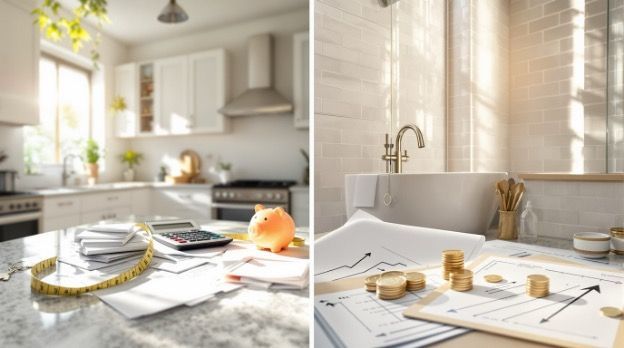
Budget is usually the first thing homeowners want to discuss. A mid-range kitchen remodel in Pittsburgh typically falls between $30,000 and $60,000. Larger projects with custom work or structural changes can push higher.
The biggest cost driver in most projects is cabinetry. Custom kitchen cabinets offer the most flexibility in layout and finish, but they come at a higher price point than stock options. Countertop material, plumbing changes, and appliance upgrades all factor in as well.
One thing that catches homeowners off guard is what’s inside the walls. Older Pittsburgh homes sometimes reveal outdated wiring or worn plumbing once work begins. Building a contingency of 10 to 15 percent into your budget helps absorb those surprises without derailing the project.
We always recommend having an honest budget conversation before design work begins. Knowing your number upfront shapes every decision that follows and keeps the project moving in the right direction.
Why Starting Early Beats Waiting Until Something Breaks
Reactive remodeling is the most stressful way to do it. When an appliance dies or a pipe finally gives out, you’re making expensive decisions under pressure. There’s no time to research, compare materials, or think through the layout carefully. You just need it fixed.
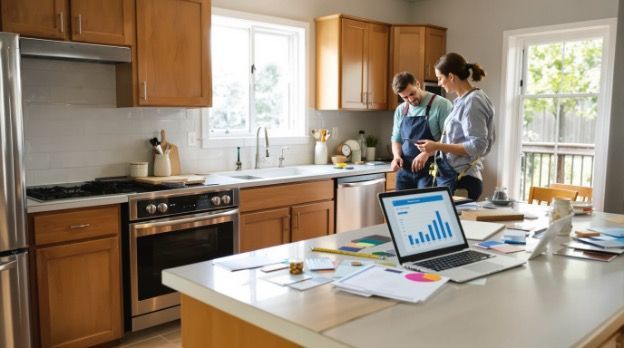
Planning ahead changes the entire experience. You get to choose your designer, take time with product selections, and build a timeline that works around your life. The design process alone, from initial consultation to finalized renderings, typically takes several weeks. That runway disappears completely when something is broken and your kitchen is out of commission.
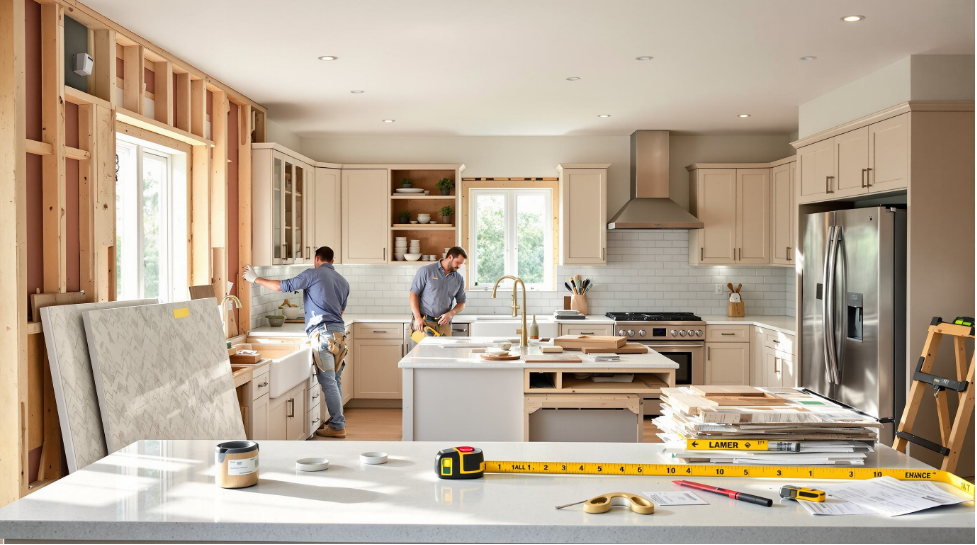
Pittsburgh’s older homes add another layer to this. Behind the walls of a 1970s colonial or a 1980s ranch, it’s not unusual to find mold, aging insulation, or pipes that need replacing. Finding those issues during a planned remodel is manageable. Running into them as an emergency is a much harder situation to navigate.
What Happens After You Decide to Start
Taking that first step feels big, but the process is more straightforward than most homeowners expect. Here’s what it typically looks like:
- Visit the showroom: This is where you start narrowing down your choices in person. You’ll see cabinet finishes, countertop materials, fixtures, and flooring before making any decisions.
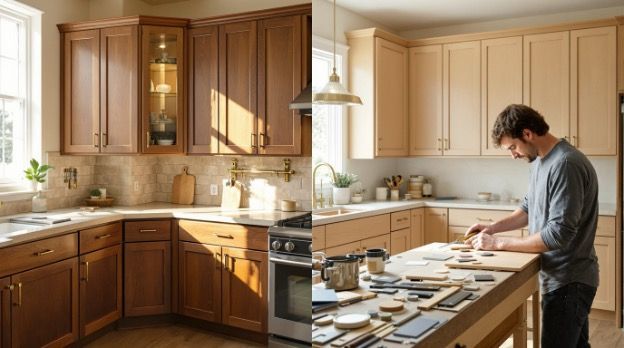
- Meet with a designer: Your designer listens first and recommends second. Expect a detailed conversation about how you use your kitchen, what isn’t working, and what your budget allows.
- Review your renderings: We present full color renderings on screen so you can see exactly what your finished kitchen will look like before anything is ordered.
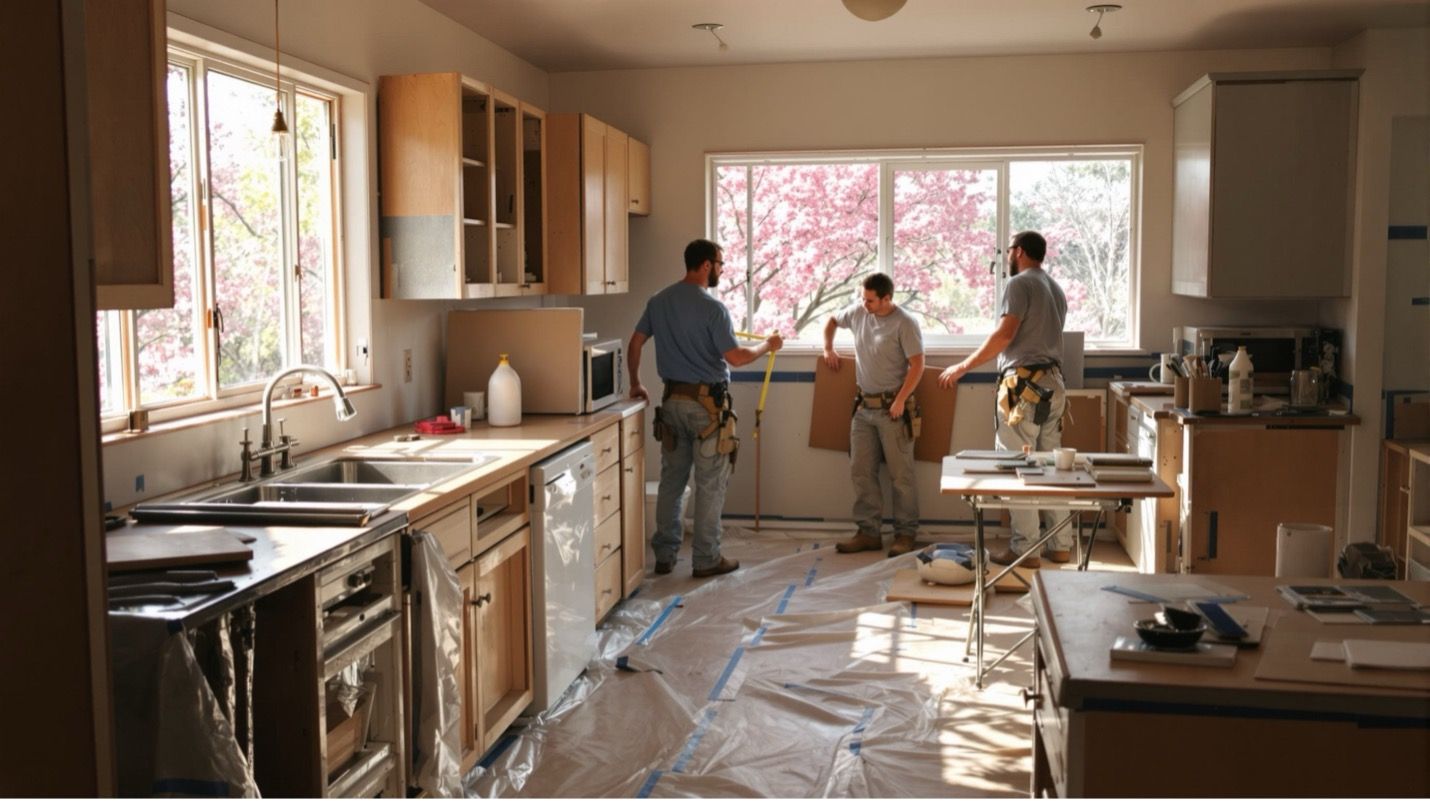
- Construction begins: Once materials are confirmed and ordered, work typically starts within a few weeks. Most projects run 8 to 12 weeks from demolition to completion.
- Set up a temporary kitchen: Plan ahead for this phase. A microwave, electric skillet, and a mini fridge in another room will carry you through construction without too much disruption.
The Right Time Is Usually Sooner Than You Think
The best time to remodel your kitchen is before the frustration becomes unbearable or something forces your hand. Pittsburgh homeowners who plan ahead get better results, better designs, and a lot less stress along the way. If your kitchen has been on your mind, that’s usually reason enough to reach out. Our team at Jacob Evans is here to help you figure out the right timing, the right budget, and the right design for your home.