
How to Plan a Kitchen Remodel Without Costly Mistakes
Plan a Kitchen Remodel in | Pittsburgh, PA
Quick Take: Planning ahead is the difference between a smooth remodel and expensive surprises. Most Pittsburgh kitchen projects cost between $25,000 and $75,000+ and take 6 to 10 weeks for construction, plus several weeks for design and ordering. A clear budget, detailed design, and the right team help you avoid delays, change orders, and regret.
A kitchen remodel is one of the biggest investments you’ll make in your home. It’s exciting, but it also comes with a lot of decisions that affect how your space works every day. Skip the planning phase, and small oversights can turn into costly fixes once construction starts.
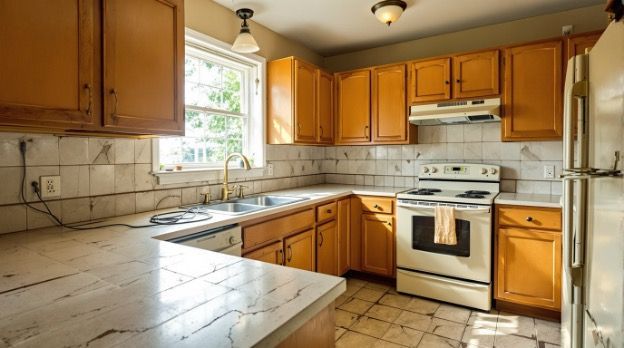
If you’ve lived in your home for years, you probably know exactly what isn’t working. Many Pittsburgh kitchens were built in the 1970s through the 1990s, and the layouts no longer match how families cook, gather, and move. The good news is that with the right plan, you can avoid the common mistakes that derail budgets and timelines.

1. Start With Your Goals and a Realistic Budget
Before looking at cabinet styles or backsplash ideas, get clear about what you actually need from the space. Are you trying to improve storage, open the layout, update worn materials, or all of the above? When your goals are specific, it’s much easier to make smart decisions later.
In Pittsburgh, a typical kitchen remodeling project ranges from about $25,000 for a modest update to $75,000 or more for a full redesign with layout changes. Structural work, custom cabinetry, and moving plumbing or electrical can increase costs quickly. Many homeowners underestimate how much labor and materials add up once walls come down.
We always recommend setting aside a contingency fund of 10 to 20 percent. Older homes in neighborhoods like Mt. Lebanon or the North Hills often reveal surprises such as outdated wiring or hidden water damage. That extra cushion keeps the project moving without stressful budget decisions midstream.
2. Follow a Step by Step Design Phase Before Ordering Anything
One of the most expensive mistakes homeowners make is choosing products before the layout is finalized. The design phase should come first and should answer one simple question: Will this kitchen work for your daily routine?
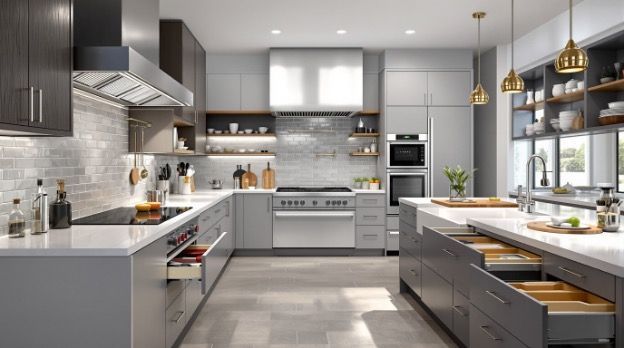
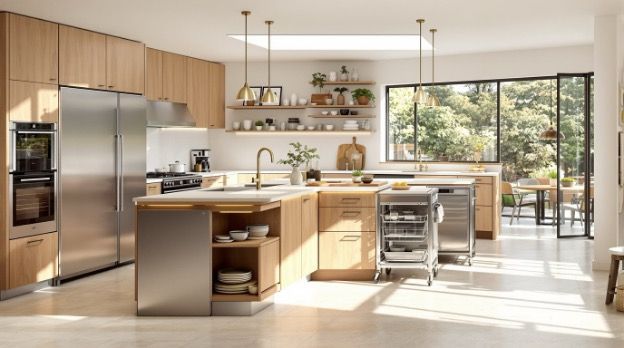
A strong plan looks at clearances and workflow, not just appearance. Walkways should measure about 42 to 48 inches so two people can pass comfortably. The work triangle between the sink, range, and refrigerator should be efficient without creating traffic conflicts.
This is also the time to make final decisions about kitchen cabinets and storage configurations. Ordering cabinetry before measurements and appliance specs are confirmed often leads to costly change orders or delays.
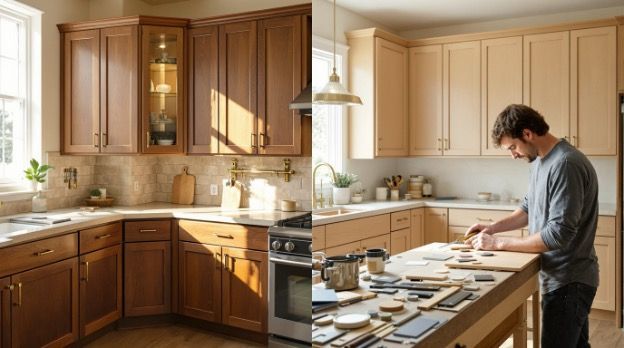
Our team walks clients through detailed layouts and color renderings so you can see the full space before anything is ordered. That extra planning time prevents the kind of last minute changes that drive costs up once construction begins.
3. Build a Practical Renovation Checklist for Storage and Function
A beautiful kitchen still fails if it doesn’t support how you actually live. Creating a renovation checklist keeps the focus on function during the design phase.
Here are the details homeowners often overlook:
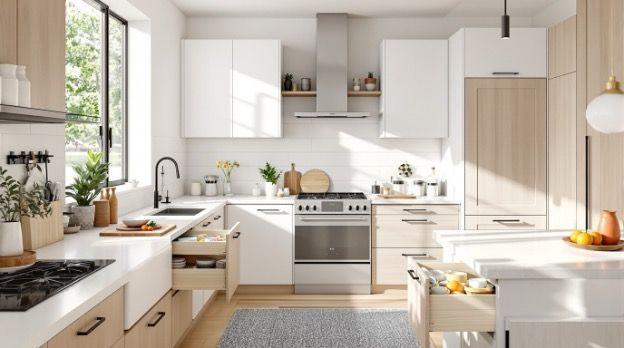
- Drawer vs. door storage. Deep drawers for pots and dishes are easier to use than lower cabinets.
- Pantry space. Even a narrow pull out can replace cluttered countertops.
- Appliance placement. Think about door swing, landing space, and traffic flow.
- Lighting layers. Combine overhead, under cabinet, and task lighting for cooking areas.
- Outlet planning. Today’s kitchens need more outlets for small appliances and charging.
- Material durability. Surfaces like quartz kitchen countertops hold up well against daily wear.
Taking time to work through this checklist during design prevents the common regret of realizing something important was missed after the project is finished.
4. Prepare for What You Cannot See Behind the Walls
Even the best planning can’t reveal everything ahead of time. Here are the things to expect and how to prepare for it will help you handle these situations without derailing your project.
Common Hidden Issues
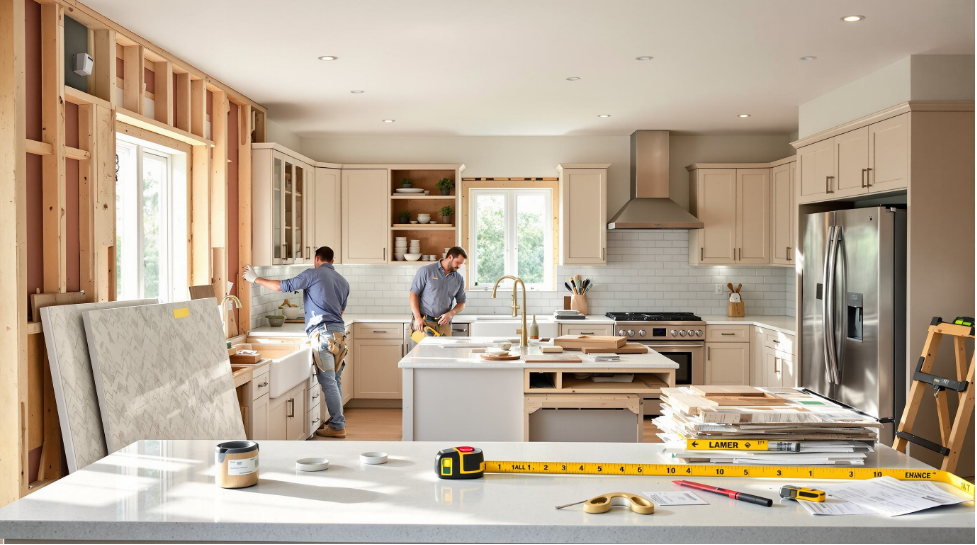
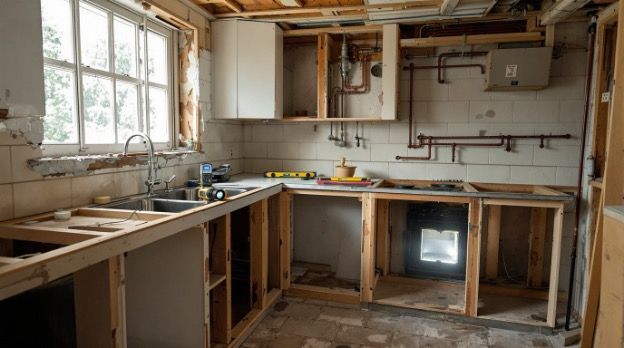
Once demolition begins, the real condition of the space becomes clear. In many Pittsburgh homes, especially older ranch and split level properties, we frequently see outdated electrical systems that don’t meet modern appliance demands. Plumbing lines may need to be relocated, and water damage around old sinks or dishwashers is more common than most homeowners expect.

Occasionally, mold or structural repairs surface during the early stages of construction. These issues are not unusual, but they do affect the timeline and budget if you are not prepared.
How to Budget for Surprises
This is where your contingency fund matters. Setting aside 10 to 20 percent allows the contractor to fix problems properly instead of patching around them. Our team reviews the home carefully during planning, but older construction always carries some uncertainty. Planning for the unknown keeps the project moving forward without stressful decisions under pressure.
5. Understand the Project Timeline and Living Disruption
Homeowners often focus on the construction phase, but a kitchen remodel is a multi step process. A realistic timeline looks like this:
- Design and planning: 4 to 8 weeks
- Ordering cabinets and materials: 4 to 6 weeks
- Construction:
6 to 10 weeks
Custom products or layout changes can extend the schedule, especially if structural work or permits are involved.
The bigger adjustment is daily life without a kitchen. During construction, you’ll deal with noise, dust, and limited access to the space. Many Pittsburgh homeowners set up a temporary “camp kitchen” with a microwave, coffee maker, and small refrigerator in the basement or dining area. Planning for meals and routines ahead of time makes the disruption much easier to manage.
We make sure clients understand the full timeline upfront so there are no surprises once the project begins.
6. Choose the Right Team and Communication Plan
Even the best design can fall apart without strong coordination. The team you choose should guide the process from planning through installation, not just sell products and disappear.
Look for a design first approach where layout, materials, and budget are finalized before construction begins. Clear documentation reduces change orders, which are one of the biggest causes of cost overruns.
Communication matters just as much. You should know who your point of contact is, how often you’ll receive updates, and what happens if a decision needs to be made quickly. Established local companies understand Pittsburgh homes, local permitting, and the challenges that come with older construction.
Even the best design can fall apart without strong coordination. The team you choose should guide the process from planning through installation, not just sell products and disappear.
Many homeowners also explore related projects such as bath remodeling while planning their kitchen. Working with a team that can coordinate multiple spaces helps maintain consistency and long term value throughout the home.
Conclusion
A successful kitchen remodel starts long before the first cabinet is removed. When you take time to define your goals, build a realistic budget, and work through a detailed design, you avoid the rushed decisions that lead to delays and costly changes. Planning also helps you prepare for the timeline, the disruption, and the hidden issues that can come with remodeling older Pittsburgh homes.
When every detail is decided upfront, from layout and storage to materials and workflow, construction moves faster and the final space works the way you expected. That’s how you protect your investment and end up with a kitchen you’ll enjoy for years.
Start Your Kitchen Remodel With a Clear Plan
If you’re ready to plan your kitchen remodel, the best first step is seeing your options in person. Visit the Jacob Evans Kitchen & Bath showroom in Pittsburgh to explore cabinetry, countertops, and finishes, and work with our design team to create a layout that fits your space, your budget, and your daily routine.
Schedule a consultation today and take the first step toward a kitchen that’s designed to work for you.