
Why Professional Kitchen Design Improves Remodeling Results
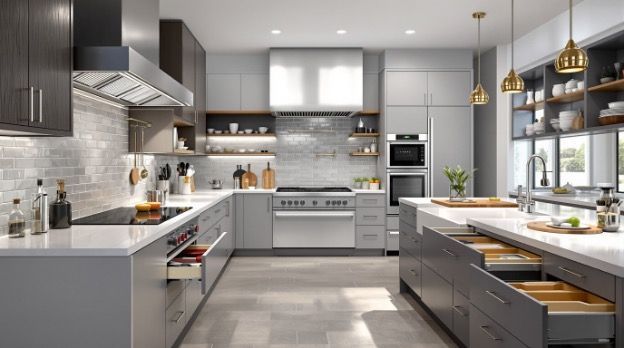
Professional Kitchen Design in Pittsburgh, PA
Quick Take: Professional kitchen design catches layout problems before they become expensive mistakes. Working with a designer means you see exactly what you’re getting before a single cabinet is ordered.
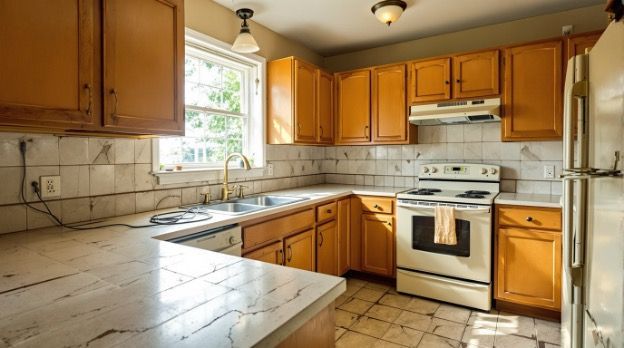
Most Pittsburgh homeowners have been thinking about their kitchen remodel for years. The cabinets are dated. The layout has never quite worked. And every time they open that one stubborn drawer, the frustration comes back. The house itself is solid. The kitchen just hasn’t kept up.
Starting a remodel without professional design is like packing for a long trip without a list. You’ll forget something important, and you won’t realize it until the cabinets are already installed. Professional kitchen design brings structure to a process that has a lot of moving parts. It helps you make smarter decisions, sidestep expensive mistakes, and end up with a kitchen that functions as well as it looks.
Here’s a closer look at what working with a professional kitchen designer actually involves, and why it makes a real difference in how your remodel turns out.
What “Design-First” Actually Means
There’s a real difference between a company that sells cabinets and one that leads with design. A cabinet reseller helps you pick finishes and hands you a quote. A kitchen and bath design firm takes a different approach entirely. The designer leads the full process, from your first consultation through product selection and project completion.
At Jacob Evans, owner Michael Bonato has spent 30 years working on kitchens and bathrooms across the Pittsburgh area. That experience shapes how every project starts. Before any products are selected, the team focuses on understanding how you actually use your space. How many people cook at the same time? Do you entertain? Where does the clutter tend to pile up?
Those answers drive every decision that follows. The point isn’t to sell you a particular cabinet line or steer you toward a specific countertop. It’s to build a space around your habits, your family, and your budget, not the other way around. That distinction matters when you’re investing $30,000 or more into a room you use every single day.
How Professional Floor Plans Prevent Costly Mistakes
A great-looking kitchen that doesn’t function well is still a failed remodel. Professional floor plans solve problems that most homeowners don’t even know to look for. Before any kitchen remodeling work begins, a designer maps out exactly how the space will flow.
Here are the planning details that catch problems early:
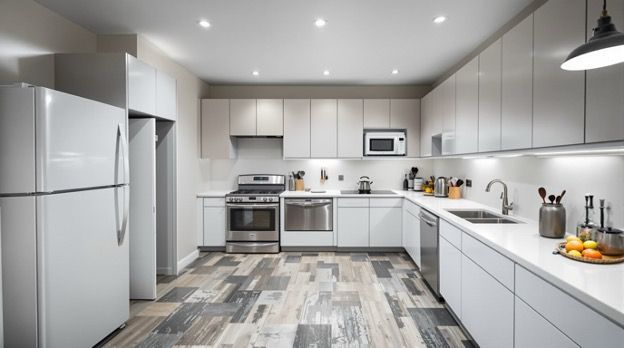
- The work triangle: The path between your sink, stove, and refrigerator should measure 4 to 9 feet per side. Shorter than that and two people can’t share the space without bumping into each other.
- Traffic flow between counters: You need at least 42 inches of clearance for one cook, and 48 inches if two people share the kitchen regularly.
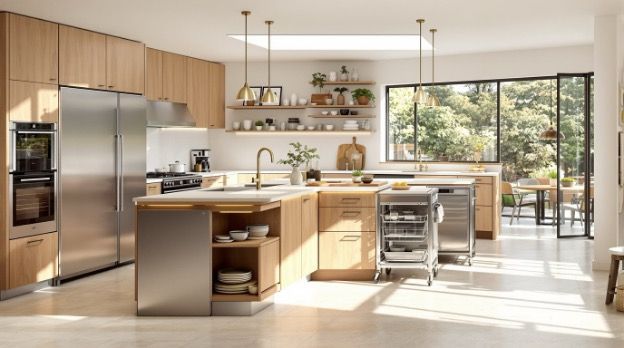
- Island sizing: Many homeowners want the largest island possible. A designer makes sure it fits the room without turning the kitchen into an obstacle course.
- Refrigerator door clearance: In older Pittsburgh ranch homes and split-levels, this is one of the most common oversights. A door that can’t open fully is a daily frustration that shows up the moment the project is done.
Seeing Your Kitchen Before a Single Cabinet Is Ordered
Spending tens of thousands of dollars on a kitchen you haven’t seen yet is one of the most stressful parts of remodeling. Choosing cabinets, countertops, and finishes from small samples is genuinely hard. What looks clean and balanced on a 3-inch tile sample can feel cold or overwhelming across an entire kitchen.
How Color Renderings Remove Decision Paralysis
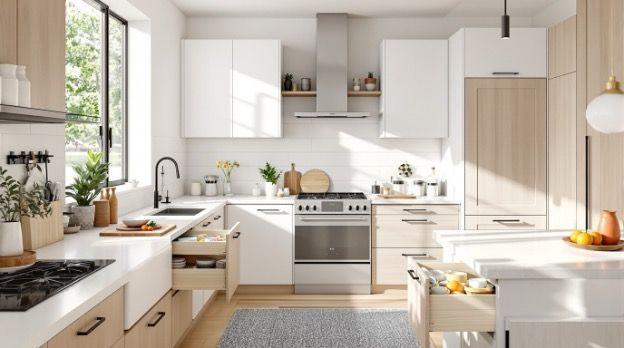
At the Jacob Evans showroom, designers present full color renderings on a large flat-screen TV before anything is ordered or installed. You see your cabinet finish, your countertop material, and your layout all together, as a complete picture. Senior Designer Jennifer Debski puts it well: “The details are what differentiate your kitchen from your neighbor’s.” That’s exactly what the rendering process delivers.
We find that clients make faster, more confident decisions once they can see combinations side by side rather than guessing from samples. By the time installation begins, nothing is a surprise.
Material Selection Is More Complicated Than It Looks
Pinterest boards make material selection look simple. You save a few photos, pick a style you like, and go from there. In reality, finishes, countertops, flooring, and fixtures all have to work together across an entire space. A cabinet color that looks sharp in a bright studio photo can read muddy or flat under your kitchen’s actual lighting conditions.
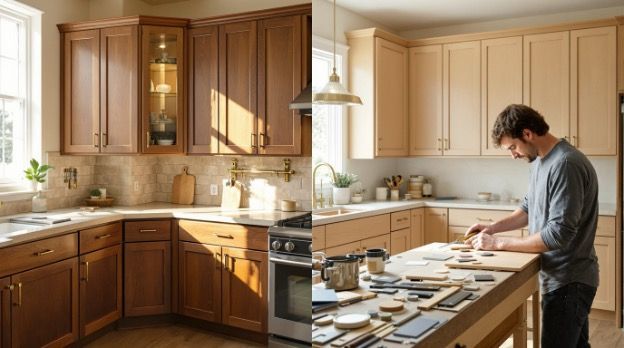
A professional interior designer brings an objective eye to those decisions. At Jacob Evans, the showroom displays four cabinet manufacturers with hundreds of door samples, plus countertop options across quartz, granite, wood, metal, and laminate. That range matters because every home is different. The team also carries sustainable flooring options like cork, bamboo, and vinyl plank for homeowners who prioritize those choices.
Choosing custom kitchen cabinets is one of the largest single investments in any remodel. Our team guides that process so your selections coordinate well, reflect your style, and hold up to everyday use without regret.

What Skipping Professional Design Actually Costs You
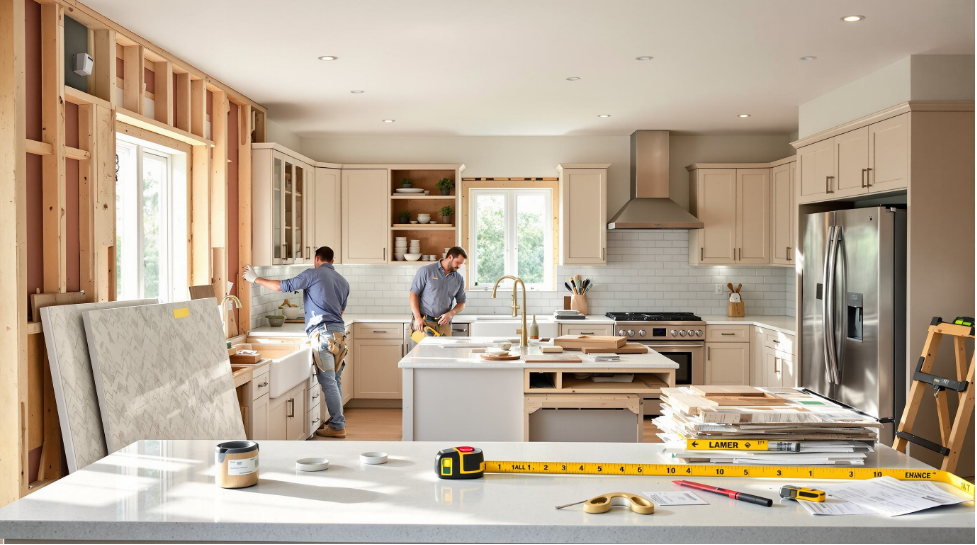
Skipping professional design rarely saves money. It usually just moves the cost somewhere more painful. A homeowner who orders cabinets without a floor plan might discover mid-installation that the refrigerator door can’t open past 90 degrees. Fixing that mistake means returning cabinets, paying restocking fees, and pushing the whole project back by weeks.
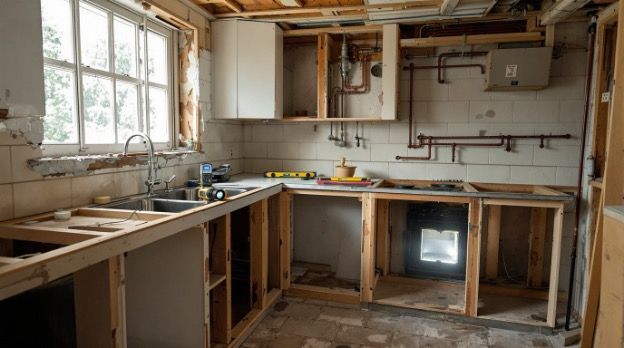
Layout errors are the most visible problem, but they’re not the only one. Older Pittsburgh homes, particularly those built in the 1970s and 1980s, sometimes hide outdated wiring or moisture damage behind walls. Working within a design-led process that connects you with vetted contractors means those discoveries get handled properly rather than patched over quickly.
The same thinking applies when homeowners take on bath remodeling at the same time as a kitchen project. Managing two major rooms without a coordinating designer spreads your decision-making thin and makes it harder to keep the budget on track.
Conclusion
That kitchen you’ve been putting off is worth doing right. Pittsburgh homeowners who work with a professional designer from the start spend less time second-guessing their choices and more time actually enjoying the finished space.
The Jacob Evans showroom in Pittsburgh’s West End Village is a low-pressure place to begin. You can see the materials in person, meet the design team, and walk away with a realistic picture of what your project involves before you commit to anything.